

In a world where conflicts seem never-ending, security threats are evolving faster than the solutions to address them.
Deep-rooted conflicts, organized crime, terrorism, hybrid wars facilitated by new technologies, and the erosion of nuclear arms treaties paint an increasingly complex and uncertain global picture. In this context, specialized training in conflict analysis, field security, and international peace threats becomes essential for professionals working in cooperation, human rights, and diplomacy.
Deep-Rooted Conflicts, Power Dynamics, and Organized Crime
Although mortality from conventional wars has declined, prolonged conflicts continue to affect millions of people, especially when non-state actors such as militias, terrorist groups, or criminal networks are involved. Unresolved tensions, structural corruption, and resource scarcity exacerbated by climate change generate persistent conflicts that cross borders, as seen in Syria or Yemen.
Understanding these scenarios requires analyzing all actors involved, including less obvious ones: informal economic interests, local power structures, non-institutionalized political actors, and community dynamics that indirectly sustain violence. Conflict-sensitive programming is essential to design interventions that do not reproduce tensions or inequalities and that contribute to sustainable peace. This perspective is central to Module I: Conflict Analysis and Transformation at IUCPM, which trains professionals in identifying power dynamics and designing strategies to transform conflicts toward peaceful coexistence.
At the same time, organized crime and urban violence have surpassed armed conflicts as a global cause of death. Latin America continues to report homicide rates far above the global average, while political violence and attacks against journalists, migrants, or vulnerable groups are rising in unstable contexts. In this scenario, security and self-protection training is key, as provided by HEAT (Hostile Environment Awareness Training), which equips professionals to manage risks and safeguard their physical and emotional integrity in hostile environments.
Terrorism, Extremism, Radicalization, and New Technologies
Terrorism remains a complex global threat. The latest data from 2024–2025 show an increase in terrorist group activity: the number of countries reporting incidents rose from 58 to 66, and deaths attributed to terrorism increased by 11 % compared to previous years, concentrated mainly in the Sahel, Afghanistan, Syria, and Nigeria. In addition, “lone wolf” attacks and acts of violence motivated by diverse forms of extremism—including far-right attacks in Western countries—have grown in number and complexity, fueled by social media and hate speech.
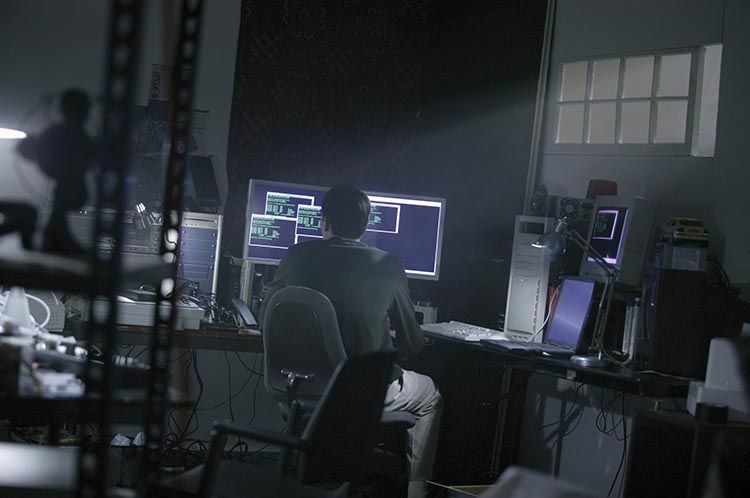
At the same time, new technologies and hybrid wars are transforming conflicts: artificial intelligence, 3D printing, cyberattacks, deepfakes, and autonomous weapons are changing the way violence is exercised and complicating responsibility attribution. Extremist groups can operate more efficiently online, while technological advances also offer new tools for prevention, analysis, and risk management.
These complex scenarios are at the core of Module IV: Threats to International Peace at IUCPM, which addresses not only terrorism, extremism, and radicalization but also the impact of emerging technologies on global security and international peace. This program equips participants with the skills to identify emerging threats, protect critical infrastructure, and manage risks in environments where the boundaries between state and non-state actors are blurred.
Nuclear Threats and the Collapse of Arms Control
International nuclear arms control is facing one of its most critical moments. The global architecture for disarmament and arms control has been progressively dismantled since 2019, and in February 2026, the last binding nuclear treaty between the United States and Russia, New START, expired without renewal or replacement. For the first time in over half a century, there is no bilateral legal framework limiting the strategic nuclear arsenals of the two major nuclear powers, nor mechanisms for verification or inspection.
Although the total number of nuclear weapons has decreased since the Cold War, more countries have access to this type of armament, relations between nuclear powers have deteriorated, and international cooperation on disarmament is weakening. This situation increases the risk of miscalculations, inadvertent escalations, and new arms races. Therefore, specialized training in peace and disarmament strategies, as provided by Module III: Peacekeeping Strategies at IUCPM, is essential. The module covers disarmament, demobilization, and reintegration (DDR), as well as tools to prevent arms-related conflicts and promote international cooperation.
Preparing for an Uncertain Future
Today’s world requires professionals trained to anticipate and mitigate complex threats, from local conflicts and terrorism to nuclear and technological risks. Programs at IUCPM, including REACT, Module I: Conflict Analysis and Transformation, Module III: Peacekeeping Strategies, Module IV: Threats to International Peace, and HEAT training, provide analytical, operational, and preventive tools that strengthen the ability to act ethically and effectively, promoting a more stable, sustainable peace adapted to contemporary challenges.
Explore our specialized courses and modules and join a community of professionals prepared to face complex conflicts and threats to international peace. Be part of the change.