
Learning to Stay Safe While Defending Human Rights
Security and self-protection course for Latin American activists at Helsinki España
Across different parts of Latin America, there are people who challenge silence and fear every day. Journalists investigating corruption networks, mothers searching fields and roads for their missing children, and activists denouncing abuses of power. Their work is essential for democracy, but it also places them in a position of great vulnerability.
Many of these individuals have received threats, been persecuted, or have been forced to leave their countries to protect their lives. In some cases, exile becomes the only way to continue their work and remain safe—far from their families, their communities, and the places where their fight for justice began.
In this context, beyond recognizing their work, it is crucial to provide them with practical tools that enable them to protect themselves and continue their efforts more safely.
Against this backdrop, the IUCPM of Helsinki España recently delivered a security and self-protection course for human rights defenders from Latin America, an initiative made possible with the support of Fundación Carolina.
The objective of this training is clear: to protect those who protect.
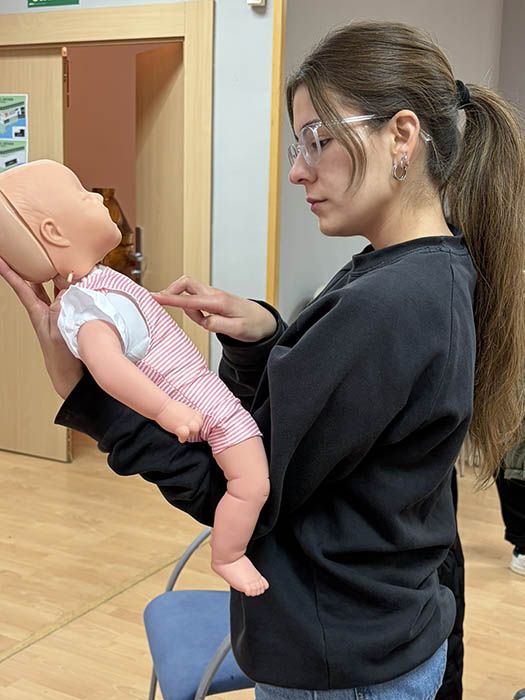
During the course, participants, including journalists, activists, and professionals working both in their home countries and in exile, developed skills to face potential security threats in their daily work. The training strengthens their ability to assess their environment, identify risks, and respond appropriately to dangerous situations, equipping them with practical tools to protect themselves and those around them.
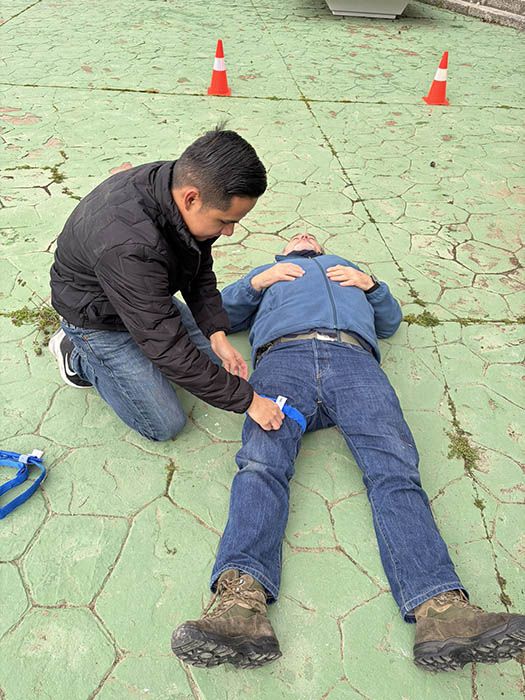
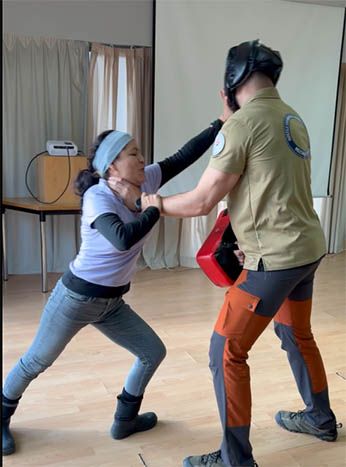
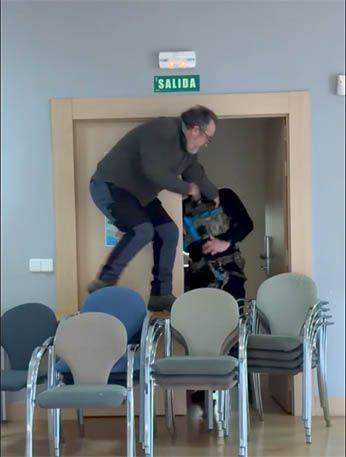
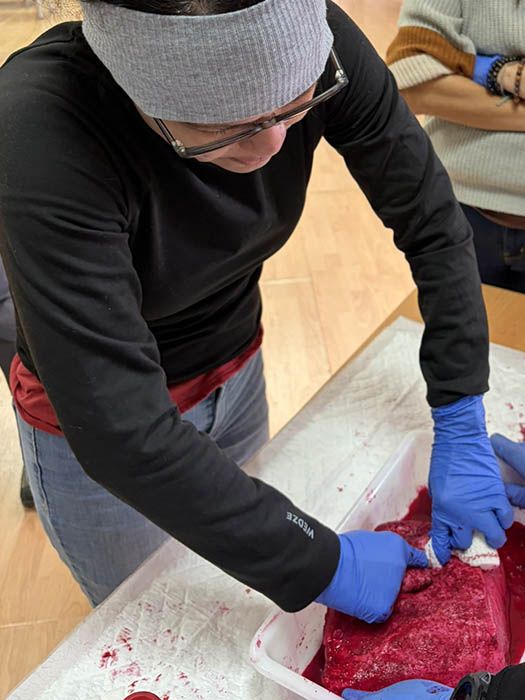
The programme included hands-on activities based on real-life scenarios. These covered first aid training, residential security, and vehicle safety, as well as evacuation drills for emergency situations. Participants also worked on self-defence techniques, managing attempted abductions, and self-protection protocols, through exercises designed to improve decision-making under pressure and enhance situational awareness.
The support provided by Fundación Carolina goes beyond technical training. The programme also offers psychological support, internships in leading organisations, cultural activities, and spaces to build networks among participants. These exchanges foster the sharing of experiences, the building of community, and the strengthening of connections that often become essential support networks.
For many participants, these opportunities represent not only a space for learning, but also a moment of relief and recognition after years of working under constant pressure and risk.
Initiatives like this reflect the commitment of international cooperation to the protection of human rights. Thanks to this support, those who dedicate their lives to denouncing injustice and protecting vulnerable communities can find a space for safety, training, and solidarity from which to continue their work.