Across Latin America, defending human rights too often means facing threats, intimidation and dangerous situations. Some people search for their missing relatives, while others advocate for the rights of LGTBIQ+ people, combat racism and discrimination, investigate human rights violations, expose hate speech and neoNazi movements, promote historical memory, support Indigenous communities and organisations, or advance women’s rights through feminist activism. Journalists also investigate abuses of power and serious human rights violations, while others have been forced to leave their countries and continue their work in exile to protect their lives.
Although their backgrounds and areas of work differ, they share a fundamental commitment to defending the dignity, freedom and rights of others. Their work is essential to democratic societies, yet it can place them in situations of considerable vulnerability.
Protecting those who defend human rights is also a way of protecting the rights of society as a whole
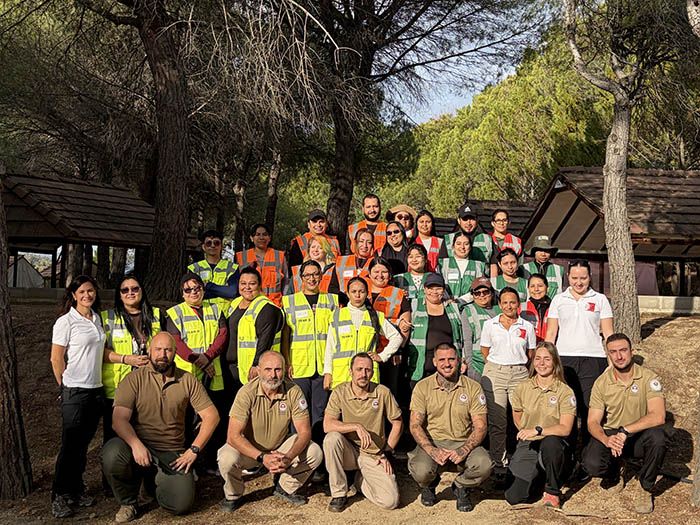
As part of its commitment to the training and protection of human rights defenders, the Carolina Foundation has awarded scholarships to 25 activists and human rights defenders from Latin America, who have taken part in a personal security and self protection coursedelivered by Helsinki España.
The training aims to equip participants with practical tools to identify risks, prevent dangerous situations and respond appropriately to potential threats, both in their professional activities and in their daily lives.
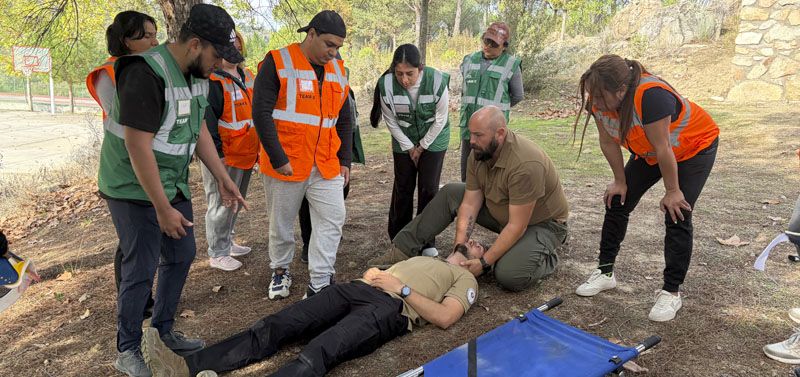
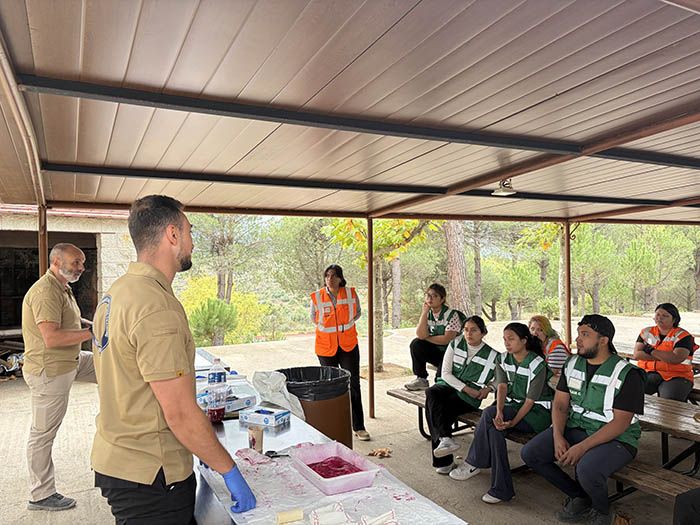
Throughout the course, participants have worked on a range of self protection techniques and strategies tailored to the risks they may face in their work. The training has included personal defence techniques, first aid, and response procedures for physical assaults, shootings and captivity situations, among other topics. The aim is to strengthen their ability to respond to emergencies, make decisions under pressure and improve their awareness of their own safety and that of the people around them.
Protection also means addressing the emotional impact of working in contexts of threat and uncertainty. The course has therefore incorporated psychological tools to manage stress, emotional distress and reactions to potentially traumatic situations. It has also created a safe and supportive space for dialogue, where participants have been able to share experiences, exchange practical tools and find support among people who understand the challenges of their work. These spaces help participants recognise that many of the difficulties they face are shared, strengthen mutual support networks and acknowledge the importance of caring for their own emotional wellbeing and that of others. Learning to recognise emotional responses, developing strategies to cope with them and having access to a support network are essential elements of personal security and self care.
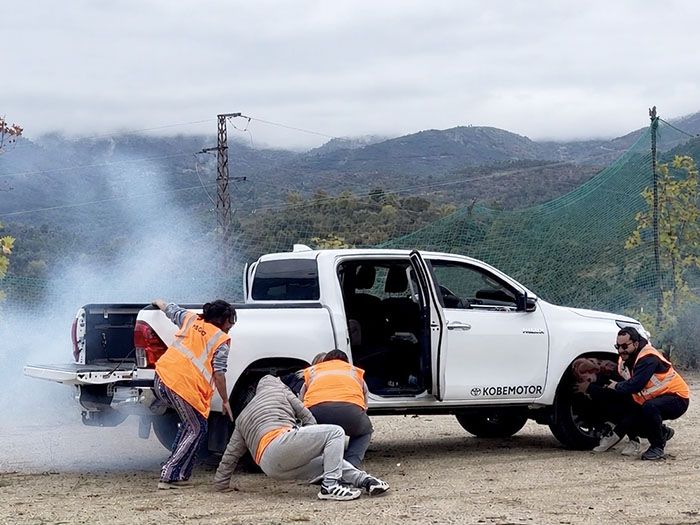
Helsinki España would also like to express its gratitude to Toyota KOBE Motor, which has provided the vehicles required for several practical workshops. Its contribution has been essential to activities such as safe vehicle entry and exit, as well as the extraction and assistance of accident victims. These exercises allow participants to practise procedures for responding to emergencies and dangerous situations in controlled conditions, strengthening the practical component of the training and providing them with additional tools to improve their safety.
The Carolina Foundation, Training, Support and Protection
Through its programmes supporting human rights defenders, the Carolina Foundation promotes opportunities for professional development, training and exchange for people working to defend fundamental rights in Latin America. Through its scholarships, the 25 participants are able to expand their knowledge, undertake professional placements related to their fields of work and share experiences with other individuals and organisations committed to human rights.
This support is particularly important for people who carry out their work in contexts of risk or vulnerability. Alongside professional training, the programme provides opportunities to develop security skills, access psychological support and participate in cultural exchange activities. These experiences contribute to participants’ wellbeing and help strengthen networks of cooperation and solidarity. Sharing experiences, learning about different realities and building relationships based on trust can help ensure that they do not have to face their challenges alone.
The Carolina Foundation’s work highlights the importance of a comprehensive approach to supporting human rights defenders, combining training, ongoing support and protection. Recognising the risks they face and providing them with the resources to address those risks are essential to enabling them to continue their work with greater safety and confidence.
At Helsinki España, we believe that personal security and self protection are essential tools for strengthening the work of human rights defenders. We are grateful to the Carolina Foundation for its trust and commitment, which make it possible to provide these tools to people whose work is vital to the protection of fundamental rights. We also recognise the value of their work and the importance of continuing to promote initiatives that support their training, wellbeing and protection.
Protecting those who protect others is a collective commitment to building a fairer, safer society that respects the rights of every person.