Across Latin America, defending human rights too often means facing threats, intimidation and dangerous situations. Some people search for their missing relatives, while others advocate for the rights of LGTBIQ+ people, combat racism and discrimination, investigate human rights violations, expose hate speech and neoNazi movements, promote historical memory, support Indigenous communities and organisations, or advance women’s rights through feminist activism. Journalists also investigate abuses of power and serious human rights violations, while others have been forced to leave their countries and continue their work in exile to protect their lives.
Although their backgrounds and areas of work differ, they share a fundamental commitment to defending the dignity, freedom and rights of others. Their work is essential to democratic societies, yet it can place them in situations of considerable vulnerability.
Protecting those who defend human rights is also a way of protecting the rights of society as a whole
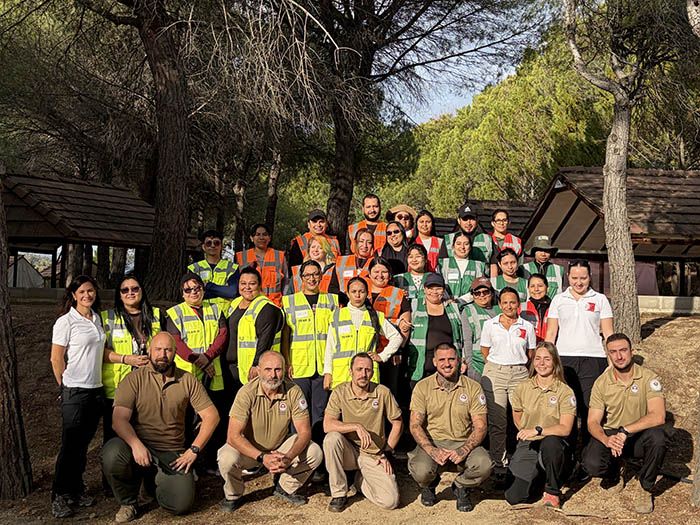
As part of its commitment to the training and protection of human rights defenders, the Carolina Foundation has awarded scholarships to 25 activists and human rights defenders from Latin America, who have taken part in a personal security and self protection coursedelivered by Helsinki España.
The training aims to equip participants with practical tools to identify risks, prevent dangerous situations and respond appropriately to potential threats, both in their professional activities and in their daily lives.
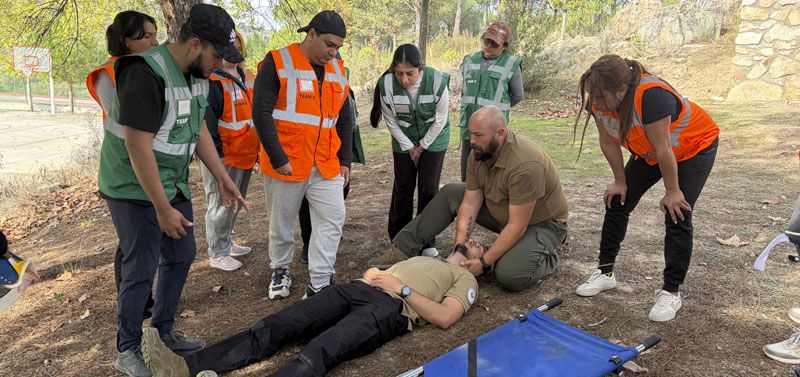
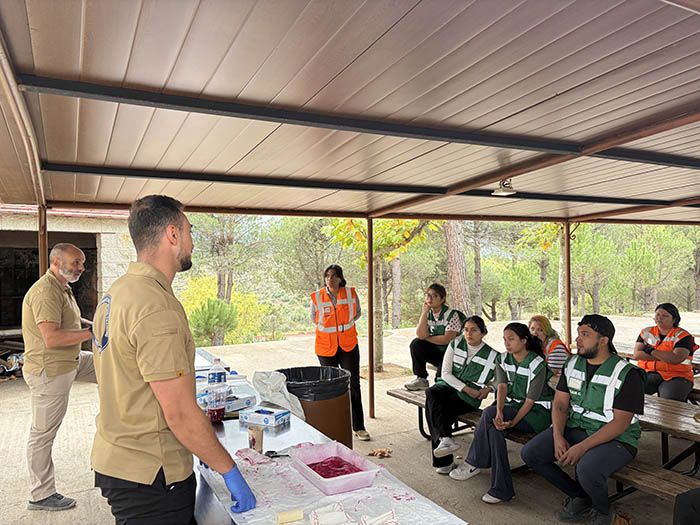
Throughout the course, participants have worked on a range of self protection techniques and strategies tailored to the risks they may face in their work. The training has included personal defence techniques, first aid, and response procedures for physical assaults, shootings and captivity situations, among other topics. The aim is to strengthen their ability to respond to emergencies, make decisions under pressure and improve their awareness of their own safety and that of the people around them.
Protection also means addressing the emotional impact of working in contexts of threat and uncertainty. The course has therefore incorporated psychological tools to manage stress, emotional distress and reactions to potentially traumatic situations. It has also created a safe and supportive space for dialogue, where participants have been able to share experiences, exchange practical tools and find support among people who understand the challenges of their work. These spaces help participants recognise that many of the difficulties they face are shared, strengthen mutual support networks and acknowledge the importance of caring for their own emotional wellbeing and that of others. Learning to recognise emotional responses, developing strategies to cope with them and having access to a support network are essential elements of personal security and self care.
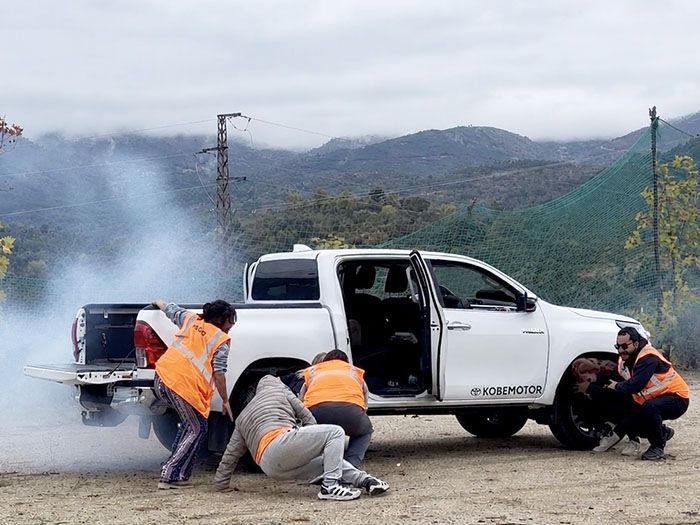
Helsinki España would also like to express its gratitude to Toyota KOBE Motor, which has provided the vehicles required for several practical workshops. Its contribution has been essential to activities such as safe vehicle entry and exit, as well as the extraction and assistance of accident victims. These exercises allow participants to practise procedures for responding to emergencies and dangerous situations in controlled conditions, strengthening the practical component of the training and providing them with additional tools to improve their safety.
The Carolina Foundation, Training, Support and Protection
Through its programmes supporting human rights defenders, the Carolina Foundation promotes opportunities for professional development, training and exchange for people working to defend fundamental rights in Latin America. Through its scholarships, the 25 participants are able to expand their knowledge, undertake professional placements related to their fields of work and share experiences with other individuals and organisations committed to human rights.
This support is particularly important for people who carry out their work in contexts of risk or vulnerability. Alongside professional training, the programme provides opportunities to develop security skills, access psychological support and participate in cultural exchange activities. These experiences contribute to participants’ wellbeing and help strengthen networks of cooperation and solidarity. Sharing experiences, learning about different realities and building relationships based on trust can help ensure that they do not have to face their challenges alone.
The Carolina Foundation’s work highlights the importance of a comprehensive approach to supporting human rights defenders, combining training, ongoing support and protection. Recognising the risks they face and providing them with the resources to address those risks are essential to enabling them to continue their work with greater safety and confidence.
At Helsinki España, we believe that personal security and self protection are essential tools for strengthening the work of human rights defenders. We are grateful to the Carolina Foundation for its trust and commitment, which make it possible to provide these tools to people whose work is vital to the protection of fundamental rights. We also recognise the value of their work and the importance of continuing to promote initiatives that support their training, wellbeing and protection.
Protecting those who protect others is a collective commitment to building a fairer, safer society that respects the rights of every person.
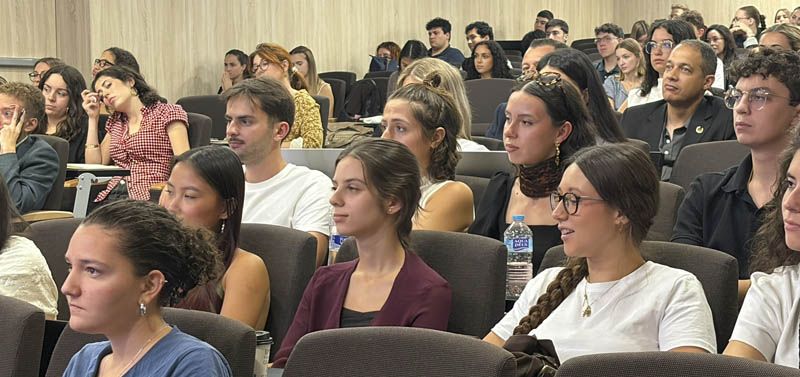
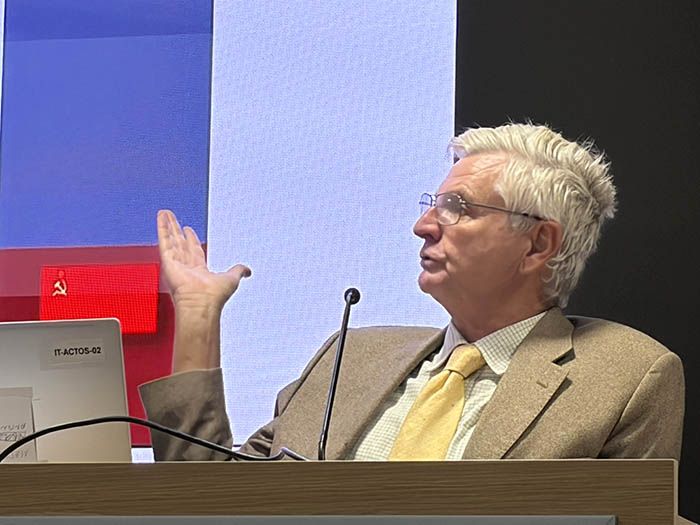
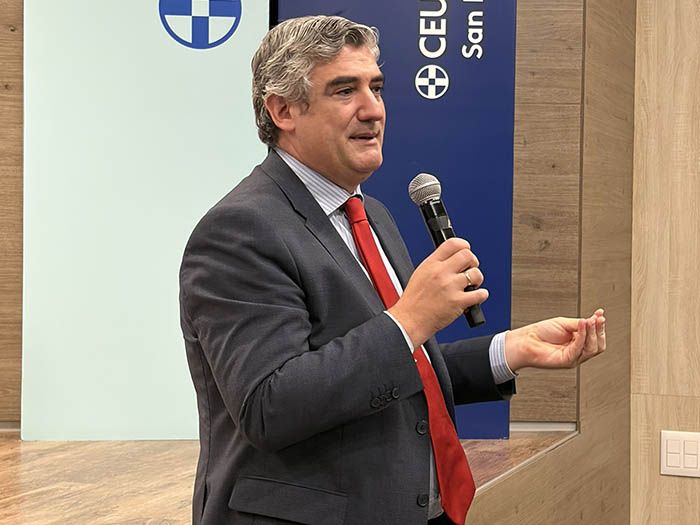
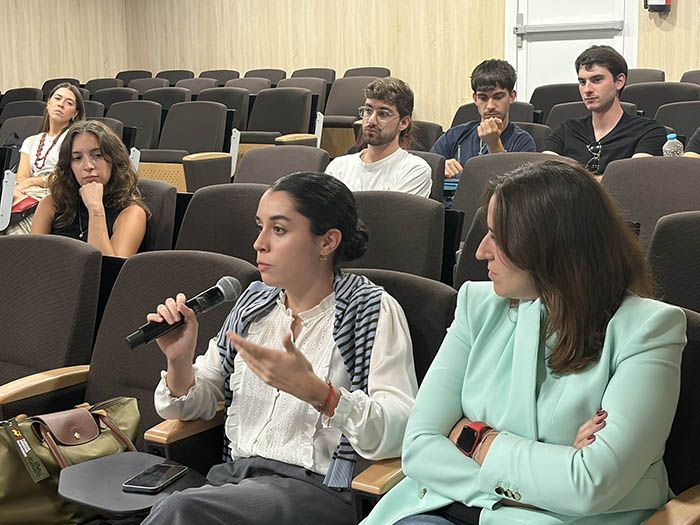
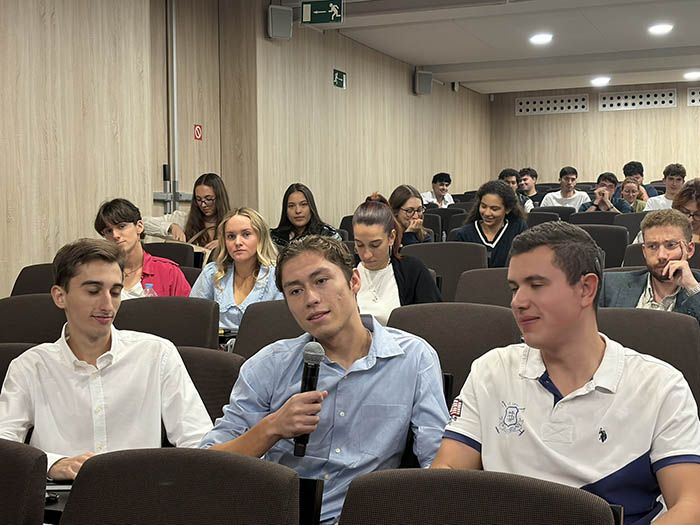
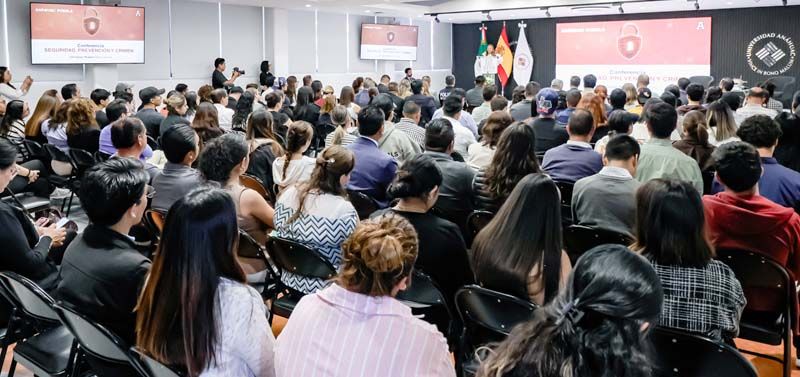
On 14 October, Helsinki España held the “Challenges and Threats to International Security 2026” conference at the Faculty of Economics of Universidad CEU San Pablo, with funding from the Spanish Ministry of Defence and in collaboration with the CEU Institute for the Study of Democracy. The event provided a forum for analysis, dialogue and reflection on the main challenges facing global and national security in an increasingly complex geopolitical environment.
The conference brought together more than 100 attendees, mainly students and young professionals interested in geopolitics, security and defence. Its aim was to bring contemporary security challenges closer to society, particularly to younger generations, raising awareness of international security, disinformation and terrorism.
These annual conferences, organised by Helsinki España, respond to the need to promote critical thinking and interdisciplinary debate on the global threats of the 21st century. In a context shaped by geopolitical crises, regional conflicts, cyber threats and environmental challenges, joint reflection across academic, military and diplomatic sectors is essential to developing a stronger, more humane and cooperative approach to international security.
Opening Remarks
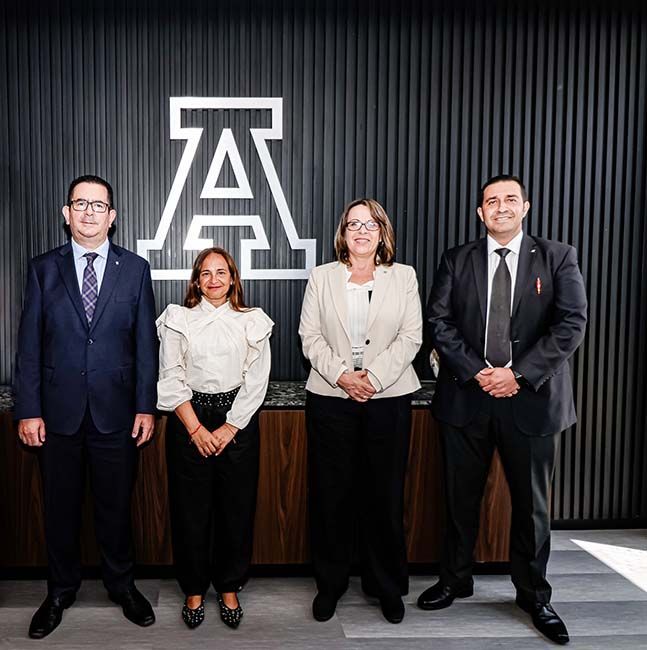
Alfonso Martínez-Echevarría, Dean of the Faculty of Law at Universidad CEU San Pablo, and María Jaén, President of Helsinki España, opened the conference. They highlighted the human dimension of security and the importance of cooperation between institutions in strengthening social resilience.
Highlights from the Conference
Silvia Cortés Martín, former Spanish Ambassador to Ukraine during the conflict, offered an in depth perspective on international conflicts and tensions. She highlighted the many crises that do not always receive media attention, as well as the growing prevalence of hybrid warfare. She also shared her first hand experience in the field and her perspective on the war between Russia and Ukraine.
Mario Laborie Iglesias, Colonel in the Spanish Army, PhD in International Security and specialist in Strategic Studies, addressed Spain’s perspective on international conflicts and the key characteristics of hybrid warfare. He also emphasised Spain’s role and responsibilities as a member of NATO and the European Union.
Antonio Alonso Marcos, Director of the Master’s Degree in Intelligence Management, Operations and Analysis at Universidad CEU San Pablo, presented his research on current and future conflicts, as well as the defining characteristics of emerging forms of warfare.
Federico Aznar Fernández-Montesinos, Navy Commander and Professor of Strategy and International Relations at CESEDEN, highlighted the importance of communication during conflicts and the role of cultural narratives in shaping how they are understood.
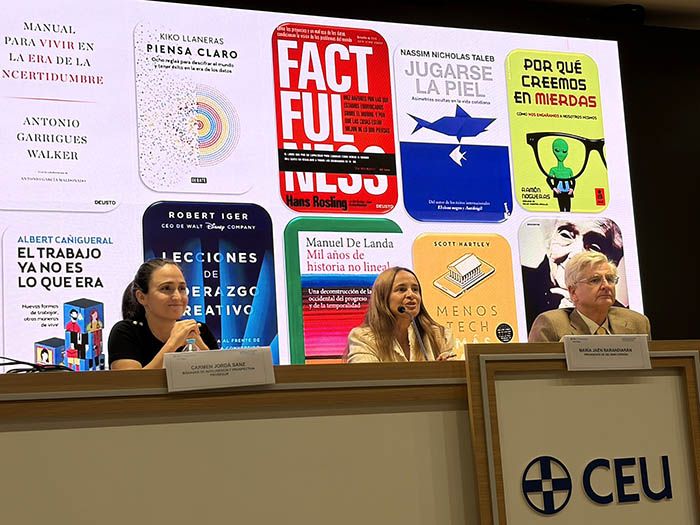
Carmen Jordá Sanz, from Universidad Camilo José Cela, reflected on the impact of disinformation on democracies and emphasised the importance of maintaining a critical and ethical perspective on the control and circulation of information.
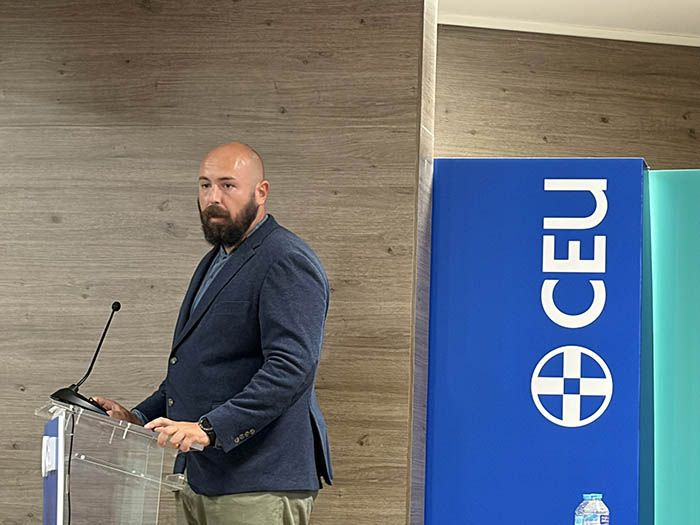
Christian Ricós Sevilla, an expert in radicalisation and terrorism, delivered a presentation on the phenomenology of terror. He challenged common myths surrounding the notion of a “terrorist personality” and explored the symbolism and motivations associated with Salafism, as well as the key role of citizen participation.
At Helsinki España, we would like to express our sincere gratitude to the Spanish Ministry of Defence for its support and funding, and to Universidad CEU San Pablo for its collaboration and hospitality.
Thanks to their commitment, the conference was made possible, further strengthening our mission to promote education, cooperation and the development of a safer, better informed and more aware society.
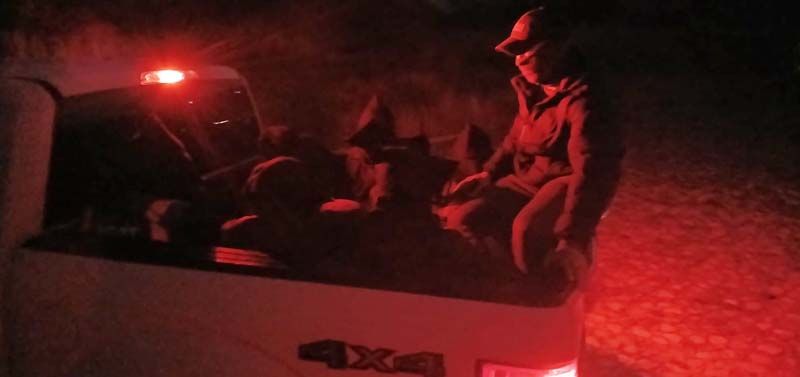
Would you know when you need to leave a building? How would you react if an apparently normal situation suddenly began to develop into a threat? Would you know how to recognize signs that could precede a kidnapping? And what would happen if, despite all preventive measures, you were captured?
These are uncomfortable questions. Precisely for that reason, we need to ask ourselves them before we are forced to answer them.
Many organizations have security protocols, emergency plans and established procedures. However, in a real situation, especially when there is fear, confusion or time pressure, having a document does not guarantee that a person will know what to do.
Kidnapping may not be the most frequent risk a person can face, but its consequences can be extraordinarily serious. Avoiding the subject for fear of causing alarm does not contribute to building a genuine security culture.
In 2025, Mexico recorded 550 victims of extortion kidnapping in the common jurisdiction, according to the Executive Secretariat of the National Public Security System (SESNSP). In Colombia, the National Police recorded 651 kidnapping cases, 477 of which were classified as extortion kidnappings.
These are risks that cannot be ignored.
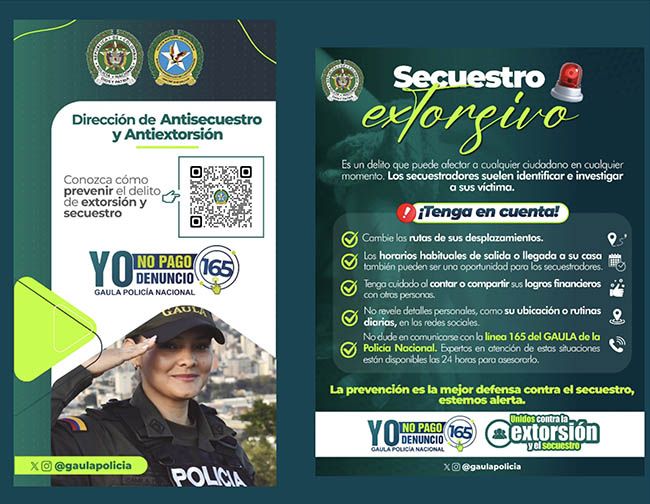
In Colombia, for example, the National Police, through GAULA, carries out specific actions to address kidnapping and extortion. But one aspect is particularly significant: an important part of its work is preventive, through awareness campaigns, self-protection measures and early identification of risks.
Prevention is not only about reacting when a crime occurs. It is also about preparing people before it happens.
Prevent before you react
Las organizaciones que trabajan en contextos internacionales, zonas remotas o entornos potencialmente hostiles suelen disponer dOrganizations working in international contexts, remote areas or potentially hostile environments often have security policies and procedures in place. But between a written procedure and an effective response there is one essential element: the person who has to make the decision.
An evacuation may require leaving a building quickly.
A threat may require changing travel or movement plans.
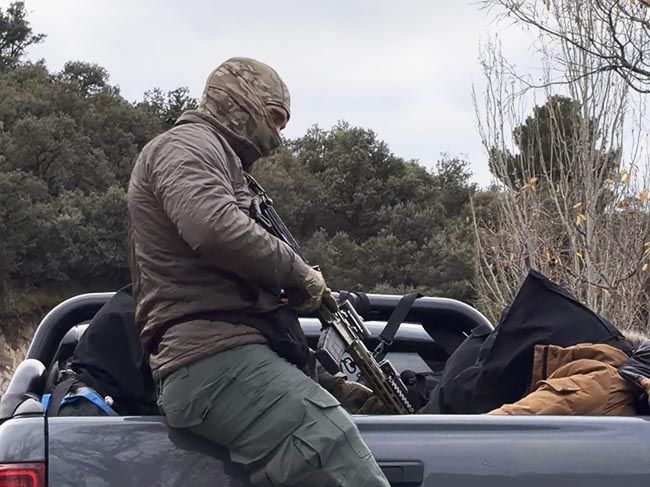
An armed violence situation may require recognizing the danger and finding a safe way out.
A kidnapping attempt can unfold within seconds.
In all these situations, there is something in common: there is no time to open a manual and start learning. The training must have happened beforehand.
Good preparation does not mean living in constant fear of threats. It means developing habits, knowledge and judgment that enable people to recognize risky situations and make better decisions.
A prepared person may be better equipped to identify warning signs and unusual behaviour, reduce exposure to risk, adopt self-protection measures, respond to a security threat, evacuate a building or area, act in an active shooter situation, make decisions under stress, respond to a kidnapping attempt, cope emotionally with captivity, and contribute to the safety of colleagues and the organization.
The aim is not to turn every employee, volunteer or staff member into a security specialist. It is about providing them with the tools to recognize, decide and act.
Security must also be trained
Protecting people requires organizations to take active responsibility. For a company, NGO, public institution, university, international organization or any entity sending people into risk environments, protecting teams should not be limited to creating a protocol or providing an emergency telephone number.
In a crisis situation, stress can affect perception, communication and decision-making. Uncertainty can lead to hesitation or paralysis. And a person who has never trained for a particular response may struggle to act when it matters most.
That is why training for hostile environments must go beyond theory. It should allow participants to practice, experience scenarios, make decisions and learn to manage pressure in a controlled environment.
The partnership, formalized in March 2026, strengthens Helsinki España’s network of local partners in Mexico and has already resulted in security training and a session on global security and defence.
Helsinki España and Anáhuac Puebla University, in Mexico, have strengthened their cooperation through the signing, in March 2026, of a Memorandum of Understanding aimed at promoting education, training and positive action in areas such as human rights, peace, conflict resolution and security.
The agreement establishes a framework for cooperation between the two institutions to develop training activities, seminars, discussion forums and workshops, as well as to foster links with other international institutions and civil society organizations. Among the areas covered, particular emphasis is placed on security and personal safety training for professionals working in high-risk environments, alongside training in Human Rights, peacebuilding and conflict resolution.
This new partnership represents a further step in Helsinki España’s commitment to strengthening its network of local partners in Mexico and to developing projects and initiatives that contribute to its mission in the country. It also builds on the organization’s previous experience implementing initiatives in Mexico, including Jóvenes para Jóvenes, while opening the door to new areas of cooperation with local institutions.
The partnership began to take shape that same month, when two members of the security staff of Anáhuac Puebla University took part in aHEAT (Hostile Environment Awareness Training) course delivered by Helsinki España.
The training provided participants with practical tools and knowledge aimed at strengthening the preparedness and safety of professionals who may carry out their activities in potentially complex or high-risk environments.
Cooperation continued in April with a session on Global Security and Defence, which provided an opportunity to explore some of the key challenges posed by the current international security environment. The session focused on international security and emerging threats, addressing issues such as hybrid threats, transnational crime, and the processes of recruitment and engagement carried out by criminal organizations, as well as other contemporary security challenges.
The activity provided a valuable space for analysis and reflection on the evolution of the international security environment and on the need to strengthen prevention, awareness and response capabilities in the face of increasingly complex threats.
The cooperation between Helsinki España and Anáhuac Puebla University reflects the shared commitment of both institutions to education and training that enables individuals to address today’s challenges from a comprehensive perspective, grounded in respect for human rights, fundamental freedoms, peace and service.
The Memorandum of Understanding has an initial duration of two years and provides for the development of further activities and projects of mutual interest. The agreement therefore offers a framework for progressively consolidating cooperation between both institutions and for exploring new initiatives in areas related to training, prevention, security, human rights and the human dimension.
For Helsinki España, this partnership forms part of its broader work with universities and local institutions to develop lasting partnerships and bring its projects and expertise closer to communities and professionals in different contexts.
Through this collaboration, Helsinki España continues to expand its network of partners in Mexico, while creating new opportunities to promote knowledge, training and practical tools that contribute to building safer, more resilient and peaceful societies.
The Spanish Ministry of Defence and Helsinki España reinforce their partnership to enhance the safety of professionals working in conflict zones and humanitarian emergencies.
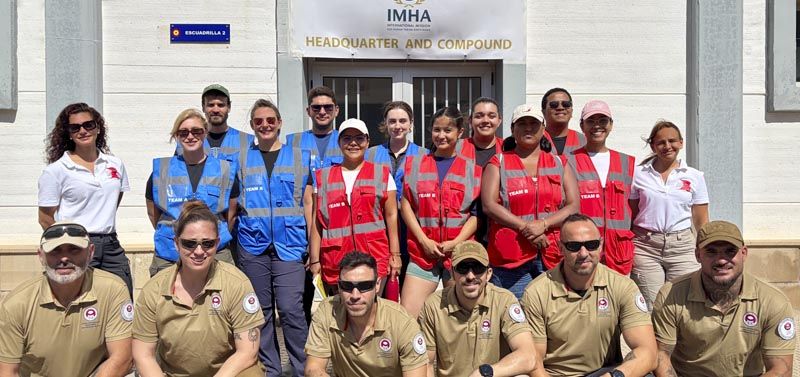
From 22 to 26 June, the Los Alcázares Air Force Base (Murcia, Spain) hosted a new edition of the Hostile Environment Awareness Training (HEAT)course, an intensive five-day programme delivered by the International University Centre for Peace Missions (IUCPM) of Helsinki España, in cooperation with the Spanish Ministry of Defence, under the framework of the collaboration agreement officially published in the Spanish Official State Gazette (BOE).
The HEAT course prepares humanitarian professionals working in armed conflicts, humanitarian crises and disaster response operations, equipping them with the knowledge, practical skills and decision-making capabilities required to operate safely and effectively in high-risk environments.
This edition brought together 12 humanitarian workers, NGO staff and human rights defenders from seven different nationalities, who are currently deployed in countries such as Ethiopia, Mexico and Colombia, among other complex operational contexts.
Civil-Military Cooperation as a Key Component of Humanitarian Preparedness
Conducting the training within an active military installation provides an exceptional level of realism that significantly enhances the learning experience. The military environment enables participants to train under conditions that closely resemble those they may encounter during international humanitarian deployments.
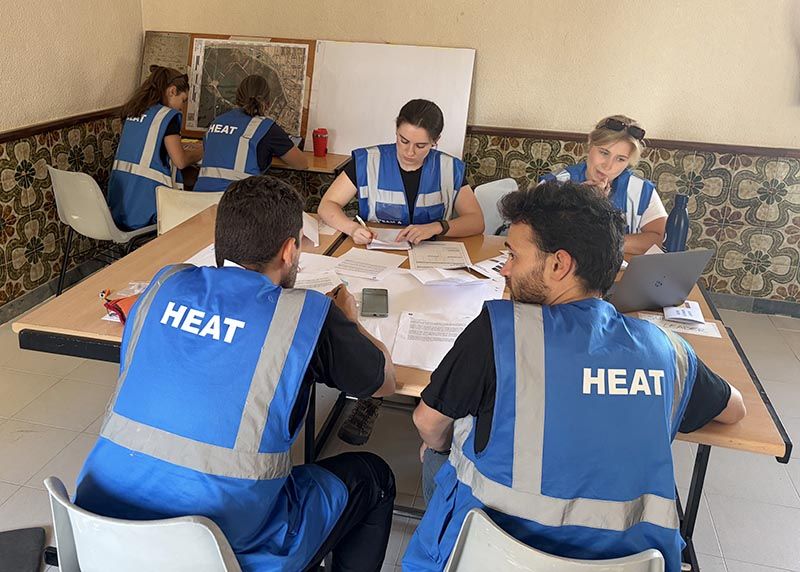
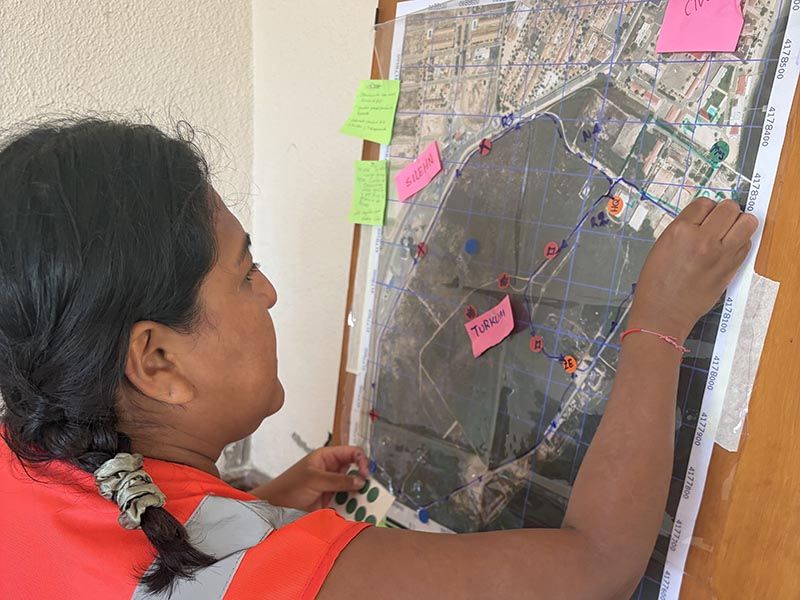
To maximise realism, the course revolves around a simulated humanitarian mission (IMHA). Throughout the five-day exercise, participants are assigned operational roles, including Team Leader, Communications Officer, Logistics Officer and Supply Officer, and work together to plan and execute a complete humanitarian deployment.
The simulation includes mission planning, humanitarian aid delivery, negotiations with local actors, civil-military coordination, security incident management and decision-making under pressure. This immersive methodology allows participants to experience the operational challenges of humanitarian field missions while strengthening teamwork, leadership and coordination skills.
The course also offers a unique opportunity for civilian professionals to work alongside military personnel, reflecting the reality of many international operations where humanitarian organisations and armed forces cooperate to protect civilians, facilitate humanitarian assistance and contribute to stability in crisis-affected areas. This practical approach highlights the importance of civil-military cooperation as an essential element of effective humanitarian action.
A Shared Commitment to Security, Training and Human Rights
This training is made possible through the cooperation agreement between the Spanish Ministry of Defence and Helsinki España, which promotes joint initiatives aimed at fostering a culture of security and defence, as well as specialised training programmes in international cooperation and crisis management.
Within this framework, the Ministry of Defence provides access to the facilities of Los Alcázares Air Force Base for the delivery of the HEAT course, enabling participants to benefit from a highly realistic training environment that would be difficult to replicate elsewhere.
Helsinki España expresses its sincere gratitude to the Spanish Ministry of Defence for its continued commitment to strengthening the preparation of humanitarian professionals and supporting initiatives that contribute to the protection of human rights. This institutional partnership demonstrates how cooperation between public institutions and civil society can enhance the safety, effectiveness and resilience of those working on the front lines of humanitarian emergencies.
Through initiatives such as the HEAT course, Helsinki España and the Spanish Ministry of Defence reaffirm their shared commitment to promoting civil-military cooperation, improving the preparedness of humanitarian personnel and ultimately contributing to the protection of vulnerable populations worldwide.
Held between February and March 2026, these sessions took place across five universities in Span, Nebrija University, University of Valencia, Autonomous University of Barcelona, Atlantic University of the Middle, and University of Deusto, bringing together around 250 students. During the sessions, participants had the opportunity to engage with high-level experts, bringing together academia, the military, and diplomacy. They were able to exchange views with figures Colonel José Luis Calvo Albero, Major General Ricardo Esteban, and Sergeant Christian Ricós Sevilla, an expert in terrorism, all of whom contributed to a deeper understanding of the current challenges in international security.
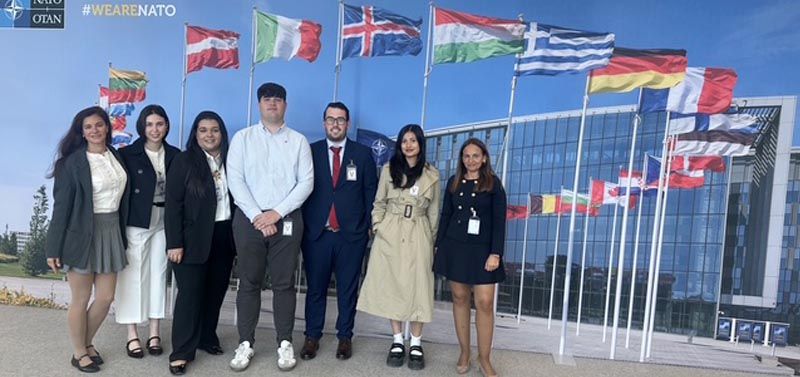
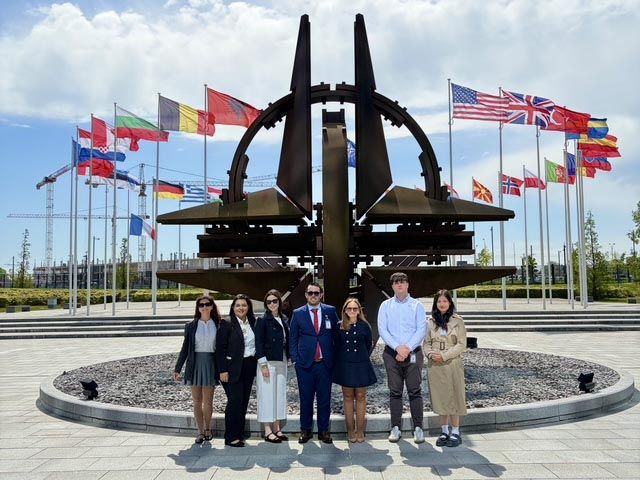
As a final highlight, those who stood out for their participation, through the creation of a reel on the role of Europe in global security, were selected to take part in a unique experience in Brussels, the political heart of Europe, this past April.
Inmersion in international institutions
The trip allowed this group to gain first-hand insight into the main institutions and geopolitical dynamics of the continent. One of the key moments was the visit to NATO, where they held a meeting with Adela Díaz Bernárdez, Deputy Permanent Representative of Spain to the North Atlantic Council, and Jorge Lens Blanco, Deputy Defence Counsellor.
In a confidential setting, the discussion addressed essential issues such as NATO’s current role, Spain’s involvement in the organisation, and the main challenges of global security in an increasingly complex international context. The session provided a realistic and strategic perspective that is difficult to access from an academic environment.
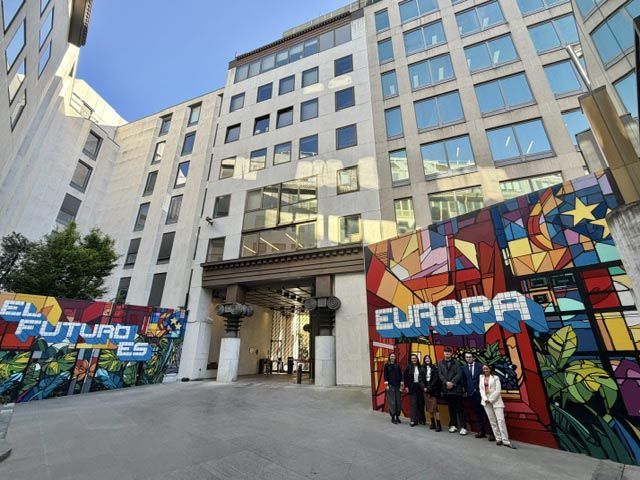
Another key meeting took place at the Permanent Representation of Spain to the European Union. There, the group met with Nuño Santos, Counsellor at the Office of the Permanent Representative of Spain to the EU. Nuño shared his perspective in an open and approachable manner on European security and defence policy, as well as the geopolitical constraints and challenges currently facing the European Union.
Beyond politics: a cultural experience
The trip was not limited to institutional engagement. It also allowed the group to discover the cultural richness of Brussels, exploring its history, diversity, and gastronomy, all of which form part of the broader context in which European political decisions are made.
Youth engaged in the global future
This initiative reflects Helsinki España’s strong commitment to fostering a critical, informed, and active youth in international affairs. By connecting academic learning with real-world experiences in decision-making spaces, the programme contributes to shaping a new generation prepared to face the challenges of global security.
The experience in Brussels has not only been a recognition of the talent and engagement of the students, but also an opportunity to inspire vocations and strengthen the role of youth in building a safer and more cooperative future.