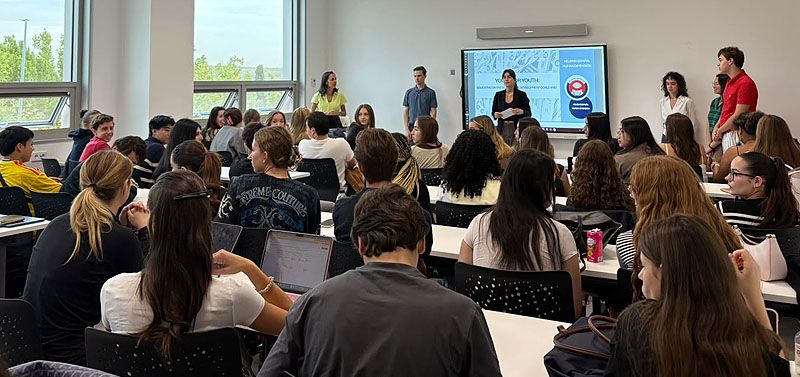
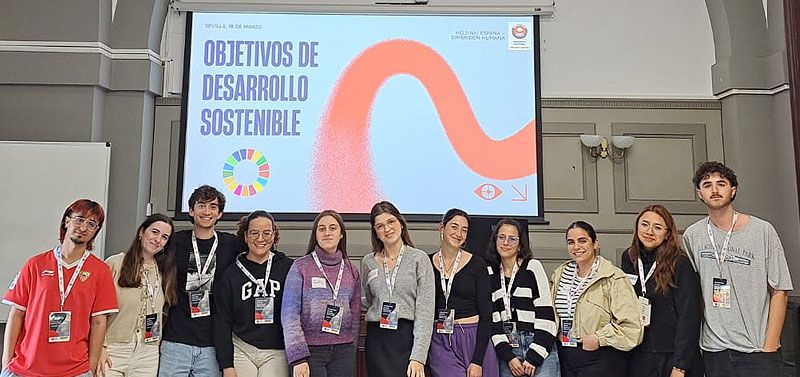
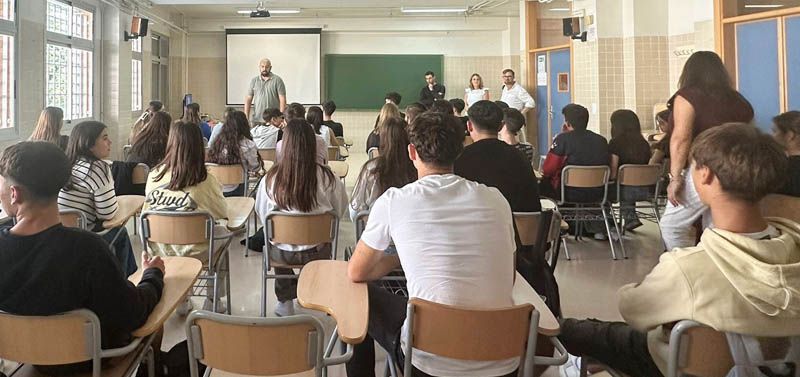
As part of the presentation of the training and volunteering project “Youth for Youth: Educating on Human Rights and Sustainable Development Goals“—an initiative by Helsinki España—students enrolled in the “Documentary Sources” course (part of the first year of the International Relations degree at the Universidad Europea) were introduced to the organization’s core commitments: promoting the defense of human rights, building a culture of peace, and advancing the Sustainable Development Goals (SDGs).
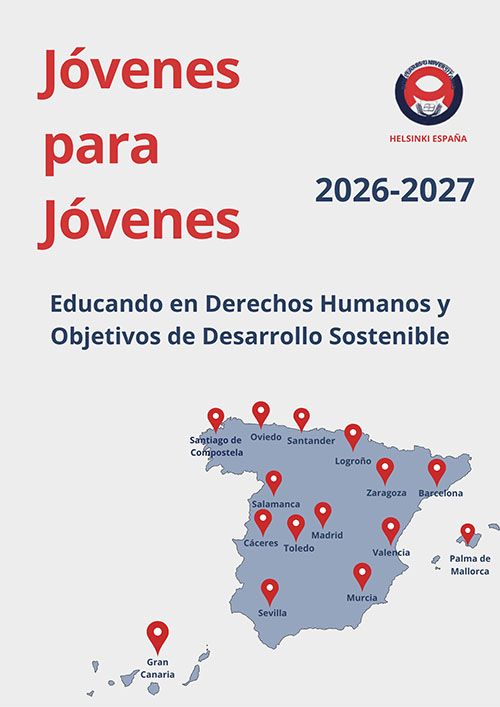
Since 2001, this project has been active across 15 autonomous communities in Spain, targeting university and vocational training students aged 18 to 30. Grounded in the Service-Learning (SL) methodology and peer-to-peer education, the initiative empowers young people to act as agents of social change. Following intensive training with experts, participants lead awareness-raising workshops in educational institutions on key topics such as gender equality, the prevention of cyberbullying, mental health, inclusion, and sustainability. In this context, the visit to the Universidad Europea aimed to introduce the project and invite students to join as active volunteers.
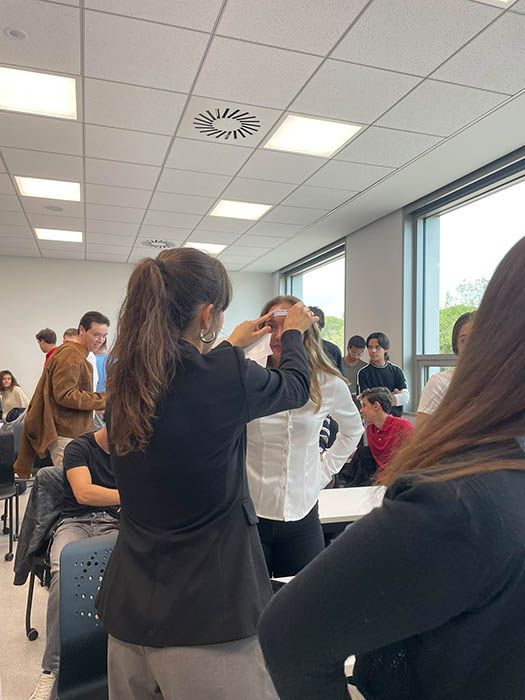
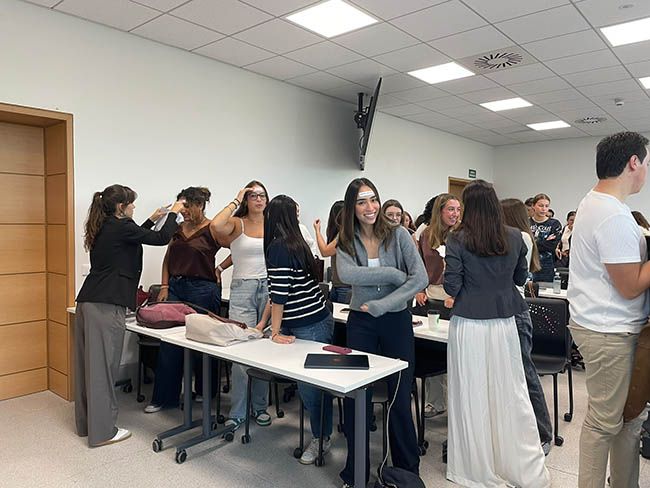
Following this institutional presentation, a session was held on information bias and tools for fostering critical thinking. As a result, the students gained the skills necessary to begin a practical exercise over the coming weeks: a news-clipping project focused on climate change. Through this activity, they will examine and compare how various media outlets address the environmental crisis, paying close attention to the narratives, journalistic biases, and editorial approaches used in covering climate action (SDG 13: Climate Action). Once the documentary analysis is complete, the students will present their findings, which will then be evaluated by Helsinki España.
The project’s first stop will take place in Santiago de Compostela from October 13 to 16. During this time, volunteers—hosted by the Faculty of Law at the University of Santiago de Compostela—will participate in workshops and presentations led by Helsinki España and its partner organizations. The goal is for them to develop into agents of change, bringing the knowledge they have gained into classrooms to work with children and adolescents through workshops and participatory activities.
This new cycle marks the beginning of a training program focused on key areas essential for building an inclusive, peaceful global society committed to human rights. The topics covered include human rights, the 2030 Agenda and the Sustainable Development Goals, gender equality, migration and refugees, cybersecurity and cyberbullying, homelessness, addiction prevention, and mental health.
Throughout the academic year, the project will be implemented across 15 autonomous communities, strengthening its nationwide reach and its educational and social impact within universities and schools throughout the country. With a 25-year history and thousands of young volunteers, “Youth for Youth” has established itself as one of Helsinki España’s flagship programs in the field of global citizenship education and youth participation.
Helsinki España expresses its gratitude for the support of its partner institutions and its technical and training team, as well as for the dedication of all the volunteers who ensure that education, social awareness, and transformative action continue to go hand in hand.”
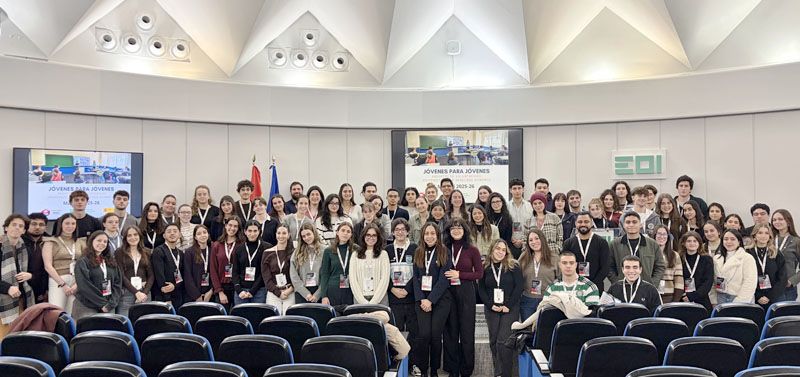
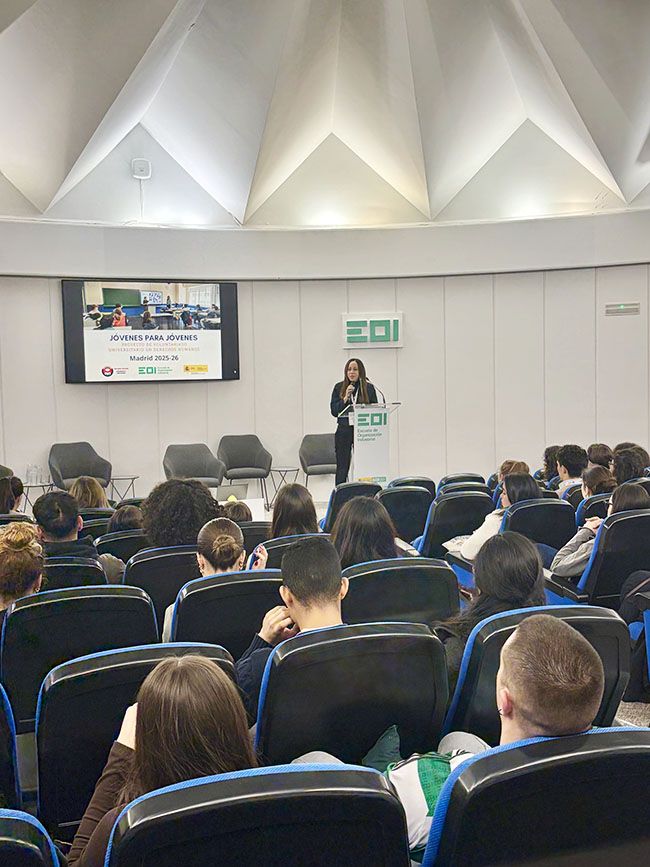
Helsinki España has today launched in Madrid a new edition of the Youth for Youth 2026 programme, an educational and volunteer initiative that this year brings together 85 university students committed to building a more just, sustainable, and inclusive society.
The opening session and first training day are being held at the School of Industrial Organization (EOI), with the support of the Ministry of Social Rights, and mark the beginning of a learning pathway focused on key issues for the present and future of our society. The programme addresses topics such as human rights, the environment and sustainability, gender equality, migration and refuge, cybersecurity, the healthy and conscious use of mobile phones, applications and technologies, diversity and inclusion, addiction prevention, and mental health.
The programme combines specialised training with direct social action. Volunteers not only acquire knowledge and practical tools, but later pass them on to children and adolescents in educational centres, creating a multiplier effect that contributes to prevention, values-based education, and the strengthening of community networks.
“Youth for Youth is not just a training programme; it is a transformative experience that turns university students into agents of change within their own communities,” said María Jaén, President of Helsinki España.
This opening session in Madrid represents the first milestone of the 2026 edition of the Youth for Youth programme. Throughout the academic year, the project will be implemented in most of Spain’s autonomous communities, consolidating its nationwide reach and its educational and social impact in universities and educational centres across the country.
With 25 years of experience, Youth for Youth has become one of Helsinki España’s flagship programmes in the field of global citizenship education and youth participation. Over the years, thousands of young people have taken part in the initiative, actively contributing to the defence of human rights and the promotion of a more aware, critical, and engaged society.
Helsinki España would like to thank the supporting institutions, the technical and training team, and all the volunteers whose commitment makes it possible for education, social awareness, and transformative action to continue moving forward hand in hand.
On 13 October, the City Council of Alfaz del Pi hosted a training session for students enrolled in the Emergency Management Vocational Education module at the Alfaz del Pi Secondary School. The activity was organized by Helsinki España and funded through the MEDIAPROP 2025 programme, promoted by the Valencian Regional Government.
Under the title “Mediation Tools for a Resilient Community”, the training aimed to provide young people with skills in empathetic communication, peaceful conflict resolution and emotional management in high-tension situations, in order to strengthen positive coexistence and responsible participation within the school and local community.
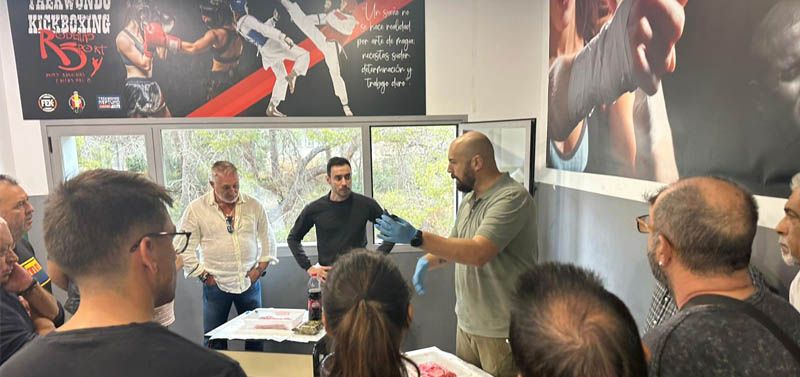
The session was led by specialist Christian Ricos Sevilla, who worked with the students through participatory dynamics, practical simulations and role-playing exercises. Throughout the activities, students learned to identify early signs of conflict, improve active listening, reduce emotional escalation and promote cooperation within peer groups.
In addition, the training included basic non-confrontational self-protection strategies. The approach focused on helping students avoid feeling defenseless in tense situations, stay calm, and make quick and safe decisions.
In one of the practical exercises, for example, students learned how to use everyday classroom objects, such as a chair, to create space and temporary protection, gaining time to call for help or exit the situation. The goal of these techniques is to prevent harm, not to counter-attack: to protect one’s physical and emotional integrity with prudence, clarity and responsibility.
Main content areas covered:
Clear communication and emotional management in tense situations
Prevention of rumors and improvement of the school climate
Building support networks and resilient communities.
This initiative is part of the MEDIAPROP 2025 programme of the Valencian Regional Government, which seeks to promote a culture of mediation, peaceful coexistence and the dialogued resolution of conflicts—particularly among young people, who are key agents of social cohesion.
“Training young people in mediation is an investment in a more empathetic and collaborative society. They are the future of our communities and must be equipped with tools to face conflict through dialogue and mutual understanding,” stated the President of Helsinki España.
The training was held with the collaboration of the City Council of Alfaz del Pi, the Alfaz del Pi Secondary School, Helsinki España, and the MEDIAPROP 2025 programme of the Valencian Regional Government.
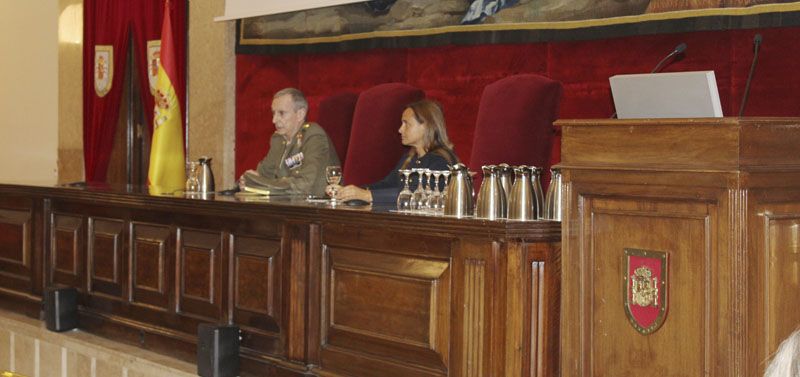
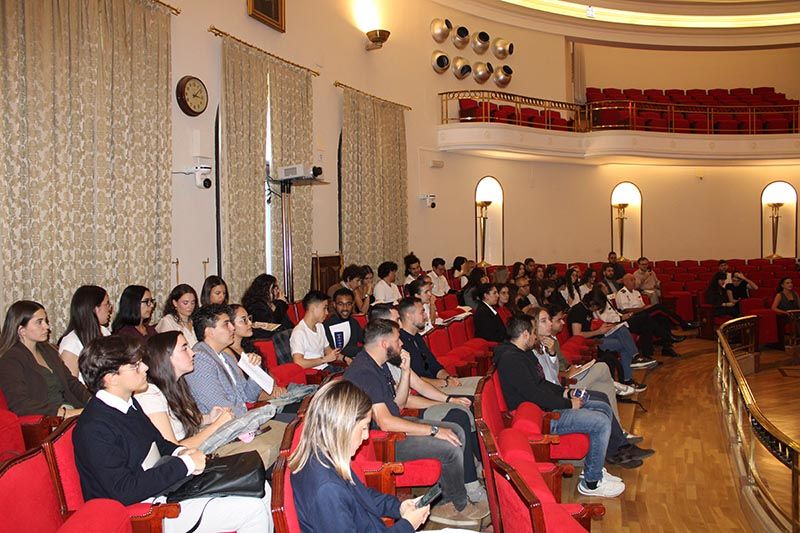
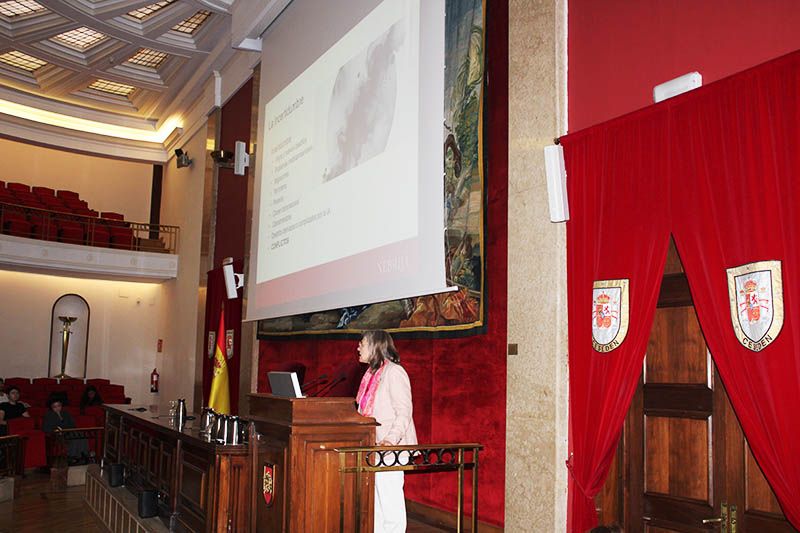
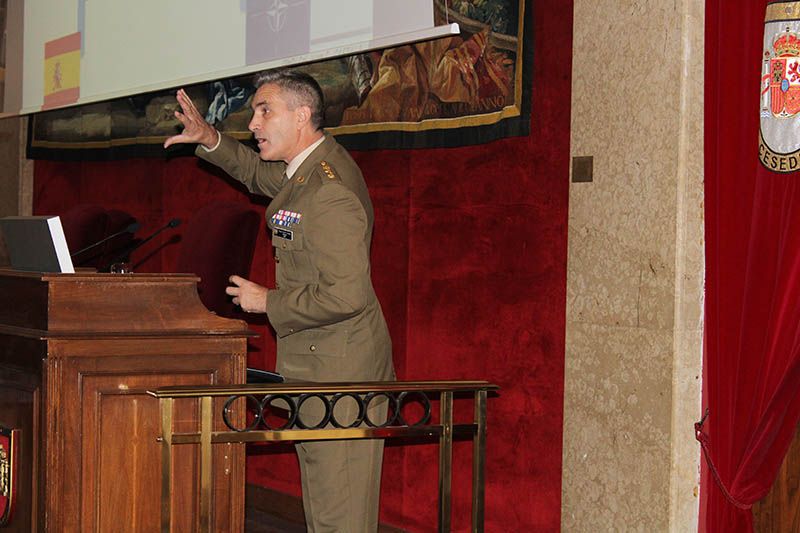
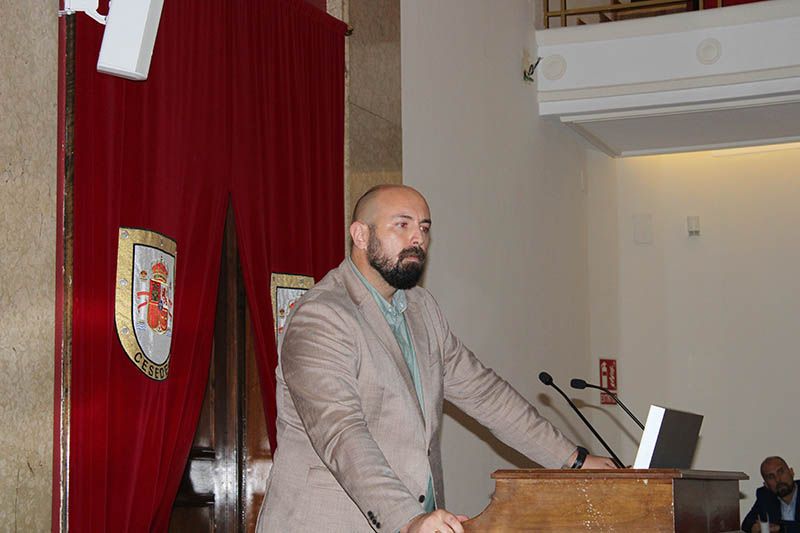
On 14 October, Helsinki España held the conference “Challenges and Threats to International Security 2025” at the Spanish Centre for National Defence Studies (CESEDEN), thanks to the support of the Spanish Ministry of Defence and in collaboration with CESEDEN. The event served as a space for analysis, dialogue, and reflection on the key challenges facing global and national security in an increasingly complex geopolitical context.
The conference brought together over one hundred participants, including academics, students, and professionals from the fields of security and defence. Its main objective was to engage society—particularly younger generations—in understanding and addressing contemporary security challenges, including disinformation and ethical leadership in times of uncertainty.
These annual conferences, organised by Helsinki España, aim to foster critical thinking and multidisciplinary discussion around the global threats of the 21st century. In a world shaped by geopolitical crises, regional conflicts, cyber threats, and environmental challenges, promoting joint reflection among the academic, military, and civil sectors is essential to building a more informed, resilient, and human approach to international security.
Key Speakers and Presentations
The session opened with remarks from Colonel José Luis Calvo Albero (CESEDEN) and Ms. María Jaén (Helsinki España), who highlighted the human dimension of security and the importance of institutional cooperation to strengthen social resilience.
🔹 Dr. Gracia Abad Quintanal (Universidad Nebrija) provided an insightful overview of international tensions and conflicts, addressing lesser-known crises and the rise of hybrid warfare.
🔹 Colonel Juan C. Castilla (CESEDEN) presented the Spanish perspective on international conflicts, emphasising Spain’s role and responsibility as a member of NATO and the European Union.
🔹 Ms. Carmen Jordá Sanz (Universidad Camilo José Cela) discussed the impact of disinformation on democracies, stressing the need for a critical and ethical approach to information control and dissemination.
🔹 Lieutenant Colonel Fernando Rojas Caja (CESEDEN) explored the theme of leadership in times of uncertainty, underscoring the relevance of emotional intelligence, self-awareness, and interpersonal skills as essential tools for effective leadership in crisis situations.
🔹 Mr. Christian Ricós Sevilla, an expert on radicalisation and terrorism, examined terrorism and extremism, challenging the myth of a “terrorist personality” and analysing the religious symbolism and motivations underpinning radical movements.
🔹 Finally, Mr. José Antonio Álvarez Crespo and Mr. Ricardo González Ruiz, directors of the project Consenso Victoria, underlined the importance of coordination among security forces and the need for public training to respond effectively to emergencies. The event concluded with the screening of the documentary “Consenso Victoria”, which showcased best practices in the management of critical incidents.
Helsinki España extends its sincere appreciation to the Ministry of Defence for its financial support and to CESEDEN for its collaboration and hospitality. Their commitment made this event possible and reinforced our shared mission to promote education, cooperation, and the development of a more secure, informed, and resilient society.
The City Council of Alfaz del Pi hosted today, Monday 13 October, from 8:00 a.m. to 12:00 p.m., a training session for members of the Local Police and Civil Protection, organized by Helsinki España within the framework of the MEDIAPROP 2025 programme, promoted by the Regional Government of Valencia (Generalitat Valenciana).
Under the title “Mediation Tools for a Resilient Community”, the training aimed to provide security and emergency personnel with mediation and effective communication tools to strengthen social resilience and public trust in times of crisis such as emergencies, disasters, or violent incidents.
Throughout the session, participants engaged in participatory dynamics, simulation workshops, and role-playing exercises to learn how to manage rumours, prevent collective panic, and promote neighbourhood cooperation during moments of tension.
The main topics addressed included:
Crisis management and effective communication in emergencies.
Community mediation and peaceful conflict resolution.
Post-crisis reconstruction: rebuilding trust and social cohesion.
This initiative is part of the MEDIAPROP 2025 programme of the Generalitat Valenciana, which seeks to promote a culture of mediation and peaceful coexistence across Valencian municipalities through training activities for both citizens and security and emergency professionals.
“Mediation is an essential tool to strengthen cooperation between institutions and citizens. Training local agents in these skills directly contributes to the safety and well-being of the community,” stated María Jaén, President of Helsinki España.
The course took place at the municipal facilities of the Alfaz del Pi City Council and featured Christian Ricos Sevilla as the main trainer, alongside professionals specialized in mediation and emotional management during crises.
This training reflects Helsinki España’s ongoing commitment to offering practical, hands-on learning experiences that go beyond an academic approach, fostering direct collaboration between civilians and security forces. Through this approach, the organization seeks to strengthen capacities in security, mediation, and peaceful coexistence, key pillars for building more resilient and cohesive communities.