Security and self-protection course for Latin American activists at Helsinki España
Across different parts of Latin America, there are people who challenge silence and fear every day. Journalists investigating corruption networks, mothers searching fields and roads for their missing children, and activists denouncing abuses of power. Their work is essential for democracy, but it also places them in a position of great vulnerability.
Many of these individuals have received threats, been persecuted, or have been forced to leave their countries to protect their lives. In some cases, exile becomes the only way to continue their work and remain safe—far from their families, their communities, and the places where their fight for justice began.
In this context, beyond recognizing their work, it is crucial to provide them with practical tools that enable them to protect themselves and continue their efforts more safely.
Against this backdrop, the IUCPM of Helsinki España recently delivered a security and self-protection course for human rights defenders from Latin America, an initiative made possible with the support of Fundación Carolina.
The objective of this training is clear: to protect those who protect.
During the course, participants, including journalists, activists, and professionals working both in their home countries and in exile, developed skills to face potential security threats in their daily work. The training strengthens their ability to assess their environment, identify risks, and respond appropriately to dangerous situations, equipping them with practical tools to protect themselves and those around them.
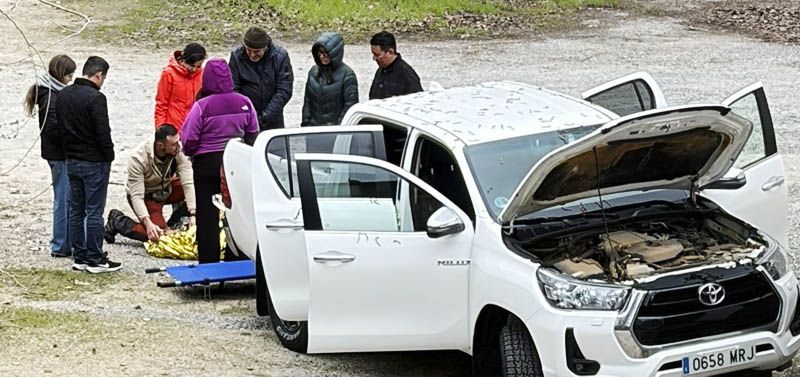
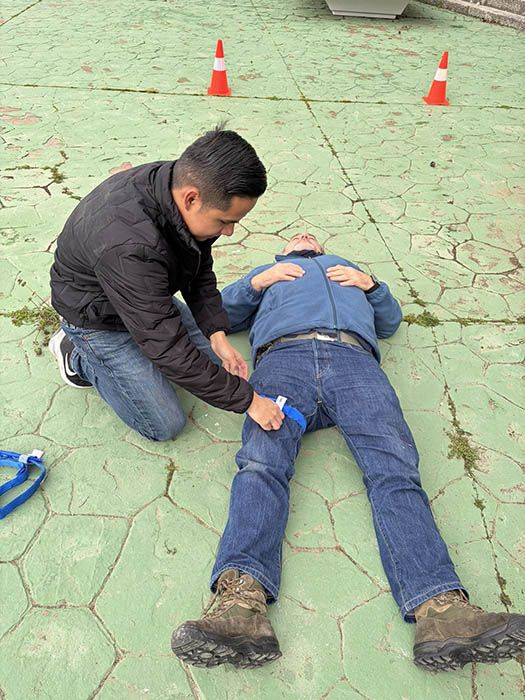
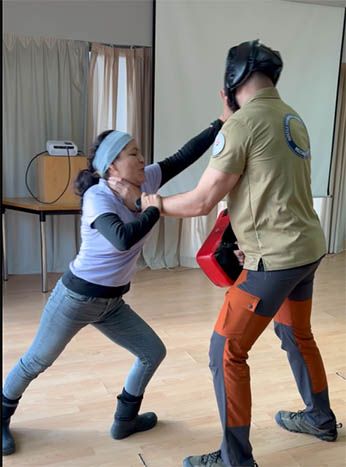
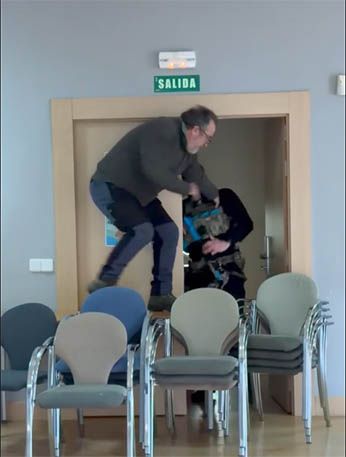
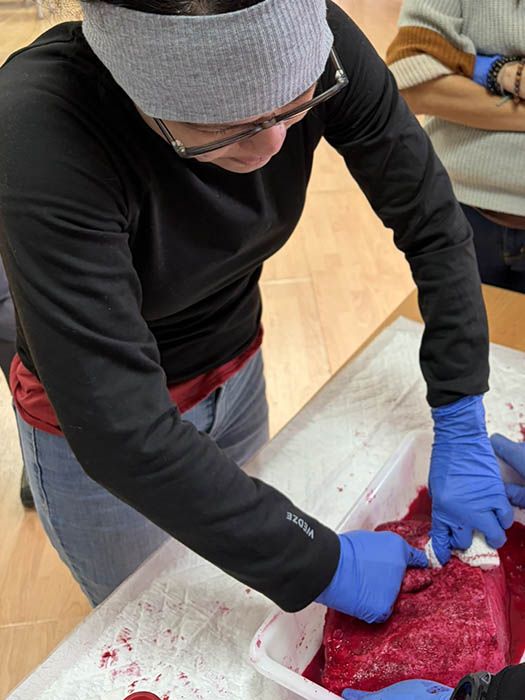
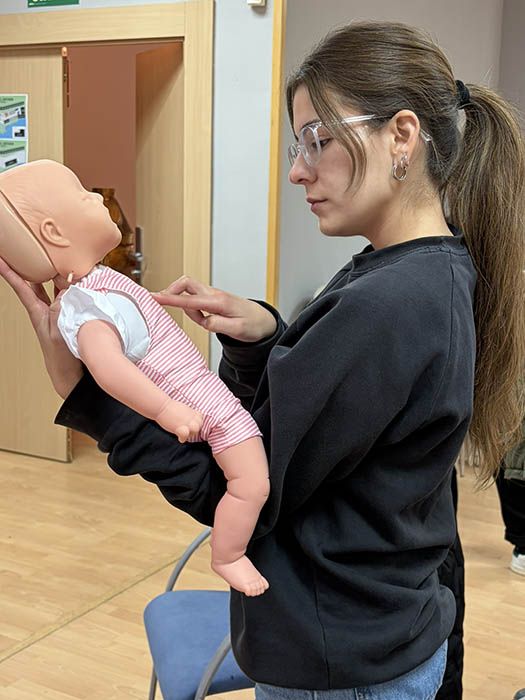
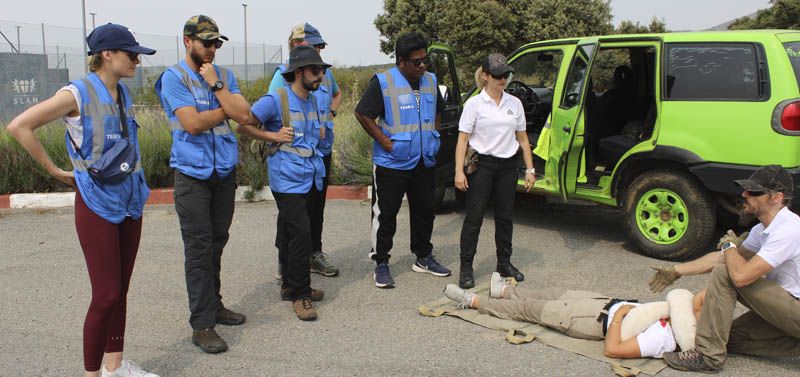
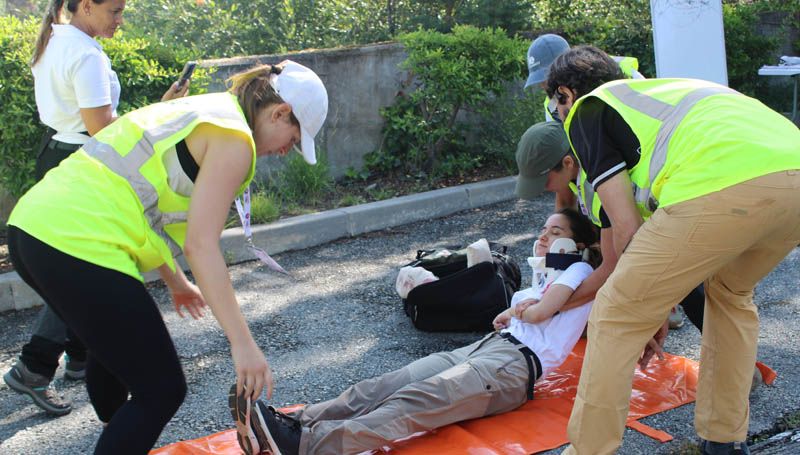
The programme included hands-on activities based on real-life scenarios. These covered first aid training, residential security, and vehicle safety, as well as evacuation drills for emergency situations. Participants also worked on self-defence techniques, managing attempted abductions, and self-protection protocols, through exercises designed to improve decision-making under pressure and enhance situational awareness.
The support provided by Fundación Carolina goes beyond technical training. The programme also offers psychological support, internships in leading organisations, cultural activities, and spaces to build networks among participants. These exchanges foster the sharing of experiences, the building of community, and the strengthening of connections that often become essential support networks.
For many participants, these opportunities represent not only a space for learning, but also a moment of relief and recognition after years of working under constant pressure and risk.
Initiatives like this reflect the commitment of international cooperation to the protection of human rights. Thanks to this support, those who dedicate their lives to denouncing injustice and protecting vulnerable communities can find a space for safety, training, and solidarity from which to continue their work.
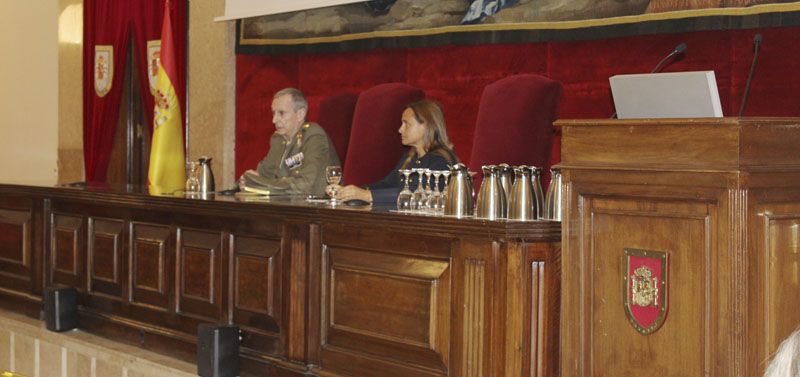
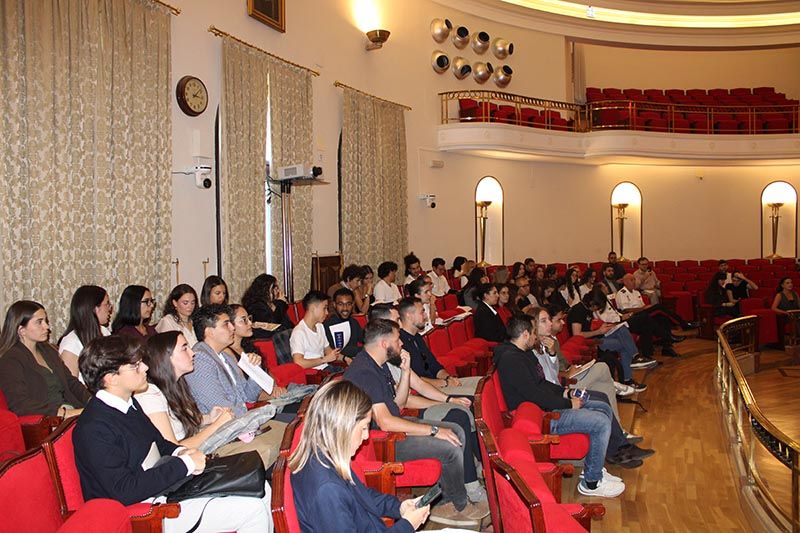
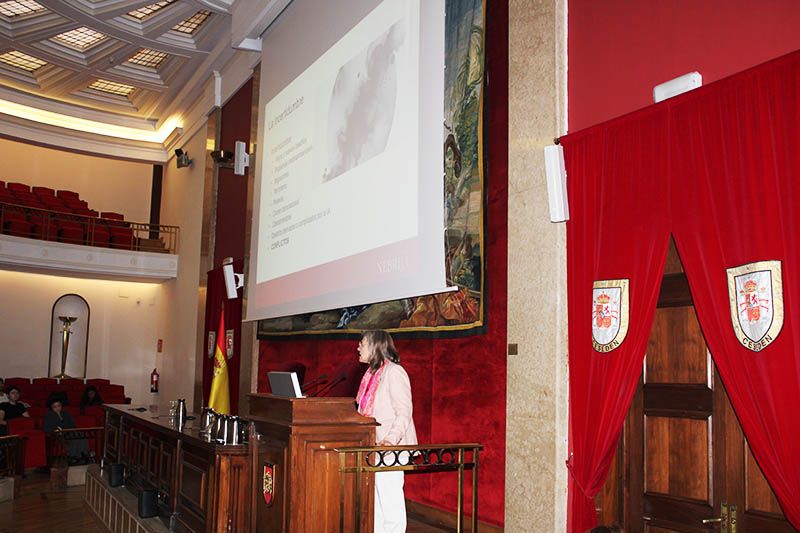
On 14 October, Helsinki España held the conference “Challenges and Threats to International Security 2025” at the Spanish Centre for National Defence Studies (CESEDEN), thanks to the support of the Spanish Ministry of Defence and in collaboration with CESEDEN. The event served as a space for analysis, dialogue, and reflection on the key challenges facing global and national security in an increasingly complex geopolitical context.
The conference brought together over one hundred participants, including academics, students, and professionals from the fields of security and defence. Its main objective was to engage society—particularly younger generations—in understanding and addressing contemporary security challenges, including disinformation and ethical leadership in times of uncertainty.
These annual conferences, organised by Helsinki España, aim to foster critical thinking and multidisciplinary discussion around the global threats of the 21st century. In a world shaped by geopolitical crises, regional conflicts, cyber threats, and environmental challenges, promoting joint reflection among the academic, military, and civil sectors is essential to building a more informed, resilient, and human approach to international security.
Key Speakers and Presentations
The session opened with remarks from Colonel José Luis Calvo Albero (CESEDEN) and Ms. María Jaén (Helsinki España), who highlighted the human dimension of security and the importance of institutional cooperation to strengthen social resilience.
🔹 Dr. Gracia Abad Quintanal (Universidad Nebrija) provided an insightful overview of international tensions and conflicts, addressing lesser-known crises and the rise of hybrid warfare.
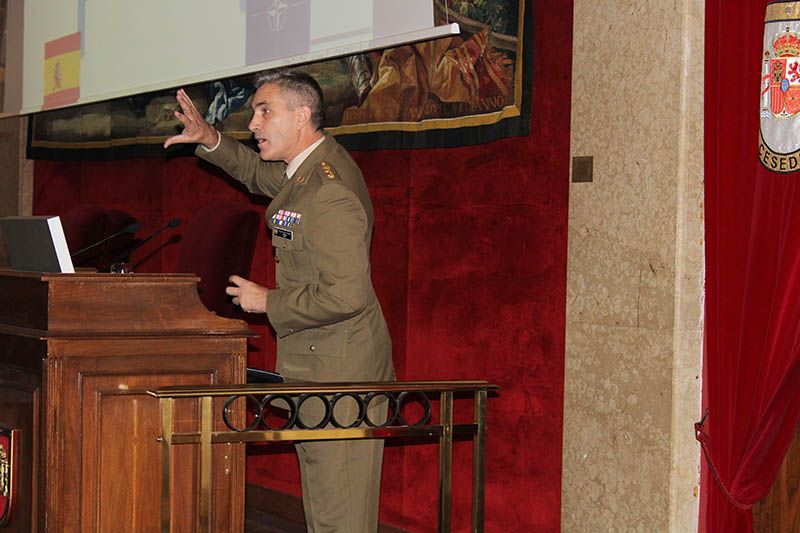
🔹 Colonel Juan C. Castilla (CESEDEN) presented the Spanish perspective on international conflicts, emphasising Spain’s role and responsibility as a member of NATO and the European Union.
🔹 Ms. Carmen Jordá Sanz (Universidad Camilo José Cela) discussed the impact of disinformation on democracies, stressing the need for a critical and ethical approach to information control and dissemination.
🔹 Lieutenant Colonel Fernando Rojas Caja (CESEDEN) explored the theme of leadership in times of uncertainty, underscoring the relevance of emotional intelligence, self-awareness, and interpersonal skills as essential tools for effective leadership in crisis situations.
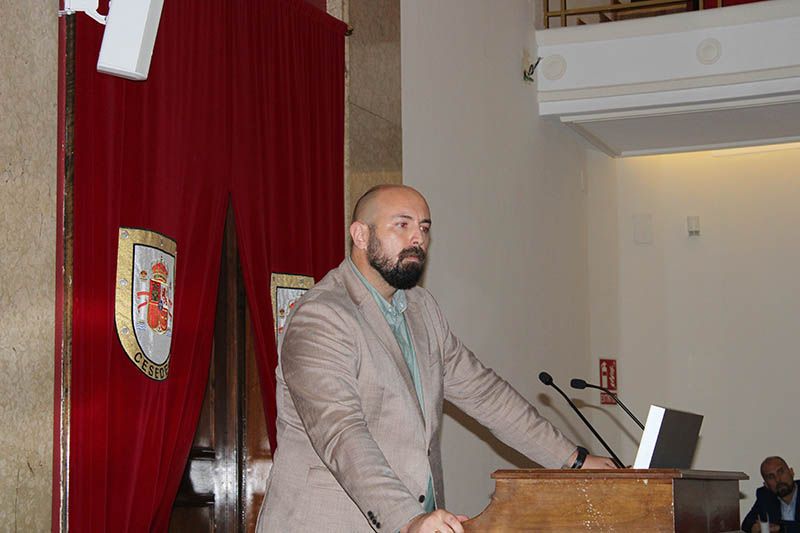
🔹 Mr. Christian Ricós Sevilla, an expert on radicalisation and terrorism, examined terrorism and extremism, challenging the myth of a “terrorist personality” and analysing the religious symbolism and motivations underpinning radical movements.
🔹 Finally, Mr. José Antonio Álvarez Crespo and Mr. Ricardo González Ruiz, directors of the project Consenso Victoria, underlined the importance of coordination among security forces and the need for public training to respond effectively to emergencies. The event concluded with the screening of the documentary “Consenso Victoria”, which showcased best practices in the management of critical incidents.
Helsinki España extends its sincere appreciation to the Ministry of Defence for its financial support and to CESEDEN for its collaboration and hospitality. Their commitment made this event possible and reinforced our shared mission to promote education, cooperation, and the development of a more secure, informed, and resilient society.
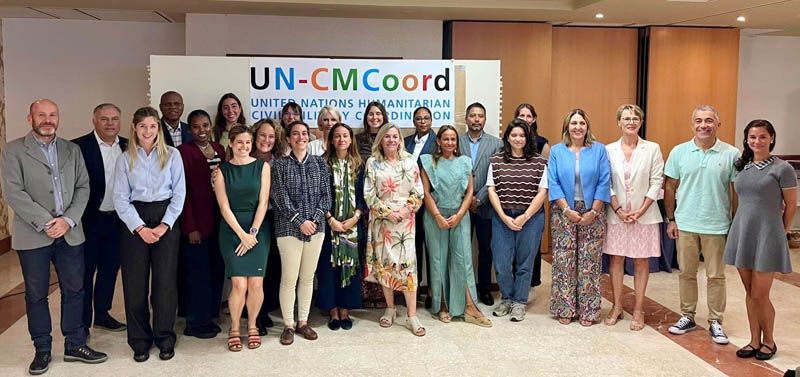
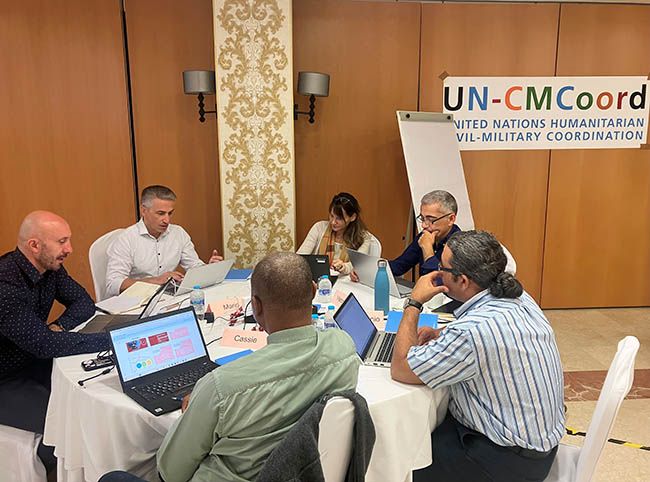
Today, the United Nations Humanitarian Civil-Military Coordination Training Course (UN-CMCoord) was officially inaugurated in Alfaz del Pi. The course is organized by Helsinki España with the support of the Spanish Ministry of Defence and the Spanish Agency for International Development Cooperation (AECID).
This course, led by OCHA (United Nations Office for the Coordination of Humanitarian Affairs), aims to train humanitarian professionals in coordination between civilian and military actors in emergency and conflict situations. Civil-military coordination is essential to ensure that humanitarian assistance reaches affected populations in a safe and effective manner.
The course brings together 20 participants from 15 nationalities across Europe, Africa, Asia, and the Middle East, currently working in complex humanitarian contexts such as Sudan, Palestine, Lebanon, or Ukraine. Over the coming days, participants will develop essential skills in planning, communication, and coordination between civilian organizations and military forces.
For example, in conflict situations, civil-military coordination allows peacekeeping forces to secure safe corridors for humanitarian aid delivery, while civilian organizations plan the distribution of food and medicine efficiently and safely, ensuring that assistance reaches those who need it most.
Julio Francisco Carbonell Franco, CIMIC J9 Analyst, Ministry of Defence.
María Jaén, President of Helsinki España.
Isabel Muñoz, Councillor for Cooperation and Volunteering, Alfaz del Pi.
Martine J.L. Mertens, CCouncillor for Foreign Communities, Alfaz del Pi.
The first session of the course was delivered by Josef Reiterer, Lead of Capability Development, Civil-Military Coordination Service, OCHA, introducing the key concepts of civil-military coordination in humanitarian contexts.
We would like to especially thank the Alfaz del Pi City Council, which always warmly hosts Helsinki España’s peace missions courses. Their commitment to creating a fairer world and promoting the internationalization of the municipality through inclusive initiatives is a cornerstone for the success of these training and international cooperation activities.
Through this initiative, Helsinki España reaffirms its commitment to training humanitarian professionals and promoting international cooperation, contributing to improved safety, effectiveness, and coordination in humanitarian operations where they are most needed.
Volunteering is one of the most enriching experiences a university student can have. By dedicating part of your time to others, you not only help build a more just society but also transform yourself.
Volunteering is an opportunity to develop empathy, learn to see life from different perspectives, and connect with realities different from your own. It is also a way to contribute to reducing inequalities, adding your grain of sand to creating a fairer world.
But the benefits aren’t only collective: volunteering allows you to learn new skills, discover hidden talents, improve communication, and work effectively in teams. Additionally, it’s a natural way to socialize and expand your network with people who share your values.
At the heart of volunteering is altruism: the genuine impulse to give without expecting anything in return, often becoming the source of the most rewarding experiences..
An Experience That Boosts Your Professional Future
More and more companies value candidates who have participated in volunteering activities during the hiring process. Why? Because volunteering demonstrates social commitment, initiative, and teamwork skills, essential qualities in any professional environment. It also reflects resilience, empathy, and leadership, highly appreciated in an increasingly diverse and global world.
On your CV, volunteering experience speaks for you—not just about what you know, but who you are and what values drive you.
Youth for Youth: A Program with Real Impact
With this philosophy, the “Youth for Youth” program by Helsinki España was created in 2001, a project that has since reached almost all regions of Spain and has also been organized in other countries around the world.
Every year, the program trains university students in human rights and other highly relevant topics, such as:
Gender, diversity, and inclusion
Environment and sustainability
Migration and intercultural realities
Emotional psychology
Risks of social media and new technologies
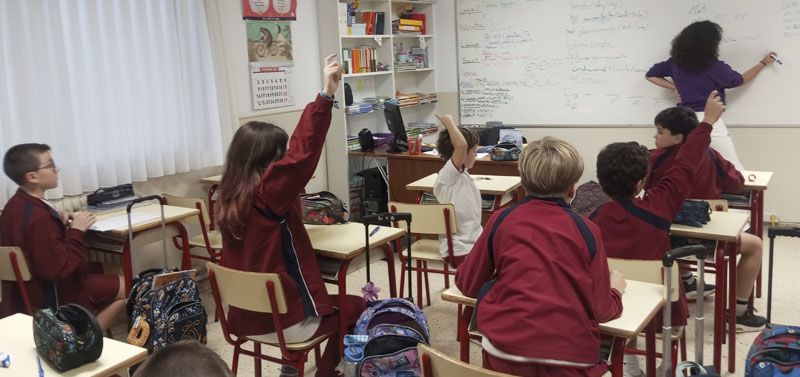
After the training, volunteers bring this knowledge to schools, teaching children and adolescents the importance of building a more just, equal, and respectful society. This creates a multiplying effect: young people learn and, at the same time, educate others.
This September, a new course begins, offering the perfect opportunity for more university students to join as volunteers.
Why Join?
If you are a university student looking for an experience that combines learning, social commitment, and personal growth, this is your place. Being part of Youth for Youth means joining a community that believes in a better future and works every day to make it a reality.
Volunteering doesn’t just change lives: it changes yours too.
Are you ready to join?
Imagine you are traveling in another country and get lost, finding yourself on an unfamiliar street when suddenly someone threatens you with a weapon. Every second feels eternal, and you don’t know the best decision to protect yourself. Or consider being at your workplace when, unexpectedly, an intruder enters attempting to rob you at gunpoint. Everything happens in an instant, and the difference between escaping unharmed or getting injured depends on your preparation.
Now imagine it’s nighttime, and you are walking alone through a poorly lit neighborhood with almost deserted streets. Every sound alerts you, and any shadow seems like a potential threat. The sense of vulnerability is real, and knowing how to react in these circumstances can make the difference between controlling the situation or facing an outcome that may affect your physical and emotional well-being.
Beyond human actions, natural phenomena can strike without warning: a sudden earthquake shaking buildings and streets, creating chaos and confusion, or flash floods that sweep through neighborhoods and cut off escape routes, leaving people trapped and disoriented.
In all these situations, security cannot be improvised. Staying calm, applying emergency protocols, making quick decisions, and protecting both your life and those around you are skills learned through specialized training. Every second counts, and every action can make a difference.
HEAT and Security Courses: Preparation for Any Situation
Helsinki España, through the International University Centre for Peace Missions (IUCPM), offers courses designed to prepare participants to act safely in their daily life, during travel, and in professional environments. Instructors combine civilian and military experience and have worked in crisis contexts, natural disasters, and hostile environments. This ensures that the training is practical, realistic, and applicable to any situation, providing participants with the tools they need to act safely and effectively.
HEAT Course (Hostile Environment Awareness Training): an intensive five-day training that prepares participants to act with safety, self-control, and responsibility in risk contexts. Includes ambush simulations, hostage scenarios, tactical first aid, and evasive driving. This course teaches how to make quick and safe decisions when it matters most and maintain calm under high-pressure conditions.
Security and Self-Protection Course: a three-day practical training that teaches personal defense techniques, stress management, evacuation protocols, and emergency first aid. This course helps increase confidence and personal security.
Why YOU Should Train in Security Today
Training in security and HEAT is not just about acquiring techniques: it’s about preparing to protect your own life and that of others, and making the right decisions when it matters most. The benefits are concrete:
Protection of life: knowing emergency protocols and first aid increases the chances of staying safe and helping others.
Reduction of impact in risk contexts: trained participants know how to act quickly, avoiding unnecessary harm and material losses.
Faster and more accurate decision-making: training allows evaluating risks in seconds and choosing the best course of action under pressure.
Stress management in critical moments: learning to maintain calm and emotional control even in chaotic situations.
Confidence and personal security: feeling prepared provides peace of mind and strengthens the ability to face difficult situations without fear.
Training in security and self-protection is an investment in the ability to react, protect yourself, and act effectively when it is most needed.
Training That Transforms
As Jiayue Qian, an international alumna, said: “The HEAT training was an immersive experience. I feel more prepared, both mentally and technically, and I apply every protocol learned in any emergency.”
These courses do more than teach techniques: they develop security awareness, automate responses, and strengthen confidence in emergency scenarios. Every second counts, and preparation can make the difference between maintaining control or facing serious consequences.
Don’t Wait for It to Happen
Every day without training is a lost opportunity to act effectively. Security and self-protection are not just skills: they are decisions that can save lives, protect operations, and ensure personal and professional stability. With Helsinki España’s HEAT training and security programs, participants learn from experts with real field experience, ensuring a practical, realistic, and applicable learning experience.
Training in security is not an expense: it is an investment in your life, your peace of mind and your future.
n August 1975, at the height of the Cold War, the Helsinki Final Act was signed by 35 States from Europe, North America, and the then Soviet Union. This landmark agreement laid the foundations for cooperation in security, human rights, and international dialogue, opening a path toward understanding in a divided world.
The U.S. delegation to the Conference on Security and Cooperation in Europe, July 30, 1975 (photo: David Hume Kennerly, U.S. National Archives and Records Administration)
The Role of the OSCE
The Final Act gave rise to the Conference on Security and Cooperation in Europe (CSCE), which later evolved into today’s Organization for Security and Co-operation in Europe (OSCE). With 57 participating States, the OSCE is now the world’s largest regional security organization, working to prevent conflicts, promote democracy, and protect human rights.
Helsinki Spain and the International Network of Helsinki Committees
In the spirit of that commitment, Helsinki Committees were created in several countries. These civil society organizations dedicate their work to promoting human rights, peace, and international security, inspired by the principles of the Final Act.
In Spain, this mission took shape through Helsinki España, which for more than three decades has carried out programs in human rights education, peace culture, and international security. Through courses, seminars, and projects, we bring young people, institutions, and civil society closer to the values that inspired the 1975 Act.
The Relevance of the Principles in a World of Tensions
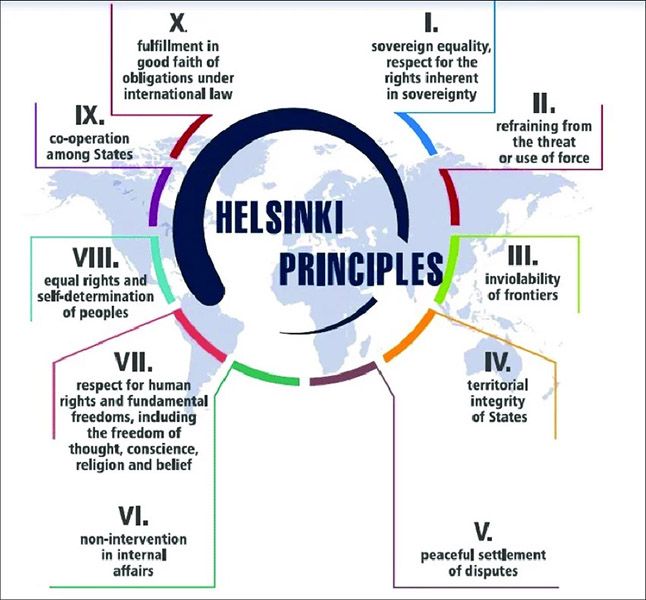
Fifty years later, the 10 key principles of the Final Act remain as vital as ever. In a global context marked by growing geopolitical tensions, armed conflicts, and cross-border challenges, the commitment to cooperation, respect for human rights, and the peaceful settlement of disputes continues to serve as an indispensable compass.
A Commitment that Endures
On this anniversary, Helsinki España recalls that the legacy of the Helsinki Final Act is not only a part of history but also a living call to work together for peace, security, and human dignity.
Students training on peace missions with Helsinki Spain, July 2025